


In the realm of mechanical keyboards, the choice of keycap materials plays a crucial role in determining both functionality and user experience. The two predominant materials used in the production of keycaps are PBT (Polybutylene Terephthalate) and ABS (Acrylonitrile Butadiene Styrene). Each of these materials brings distinct characteristics that can influence the feel and performance of a keyboard.
PBT is often favored for its durability and resistance to wear. This thermoplastic polymer is known for its strength and ability to withstand heat, making it less likely to develop a shiny appearance over time, a common issue with frequently used keycaps. Moreover, PBT keycaps tend to maintain their color and texture longer than other materials, which can significantly enhance the longevity of a keyboard. Users who prioritize durability and long-term aesthetics may find PBT to be the superior choice when selecting keycap material.
On the other hand, ABS is generally more cost-effective and widely used in the industry. This material allows for easy production and a wide range of colors and designs, appealing to users who value customization. However, while ABS keycaps are lightweight and provide a different typing experience, they can wear down more quickly compared to PBT. They are also more prone to fading and developing shine over time, which might deter users who prefer a consistently fresh appearance.
Overall, both PBT and ABS keycaps have their unique advantages. The choice between the two materials ultimately depends on individual preferences regarding durability, cost, and the desired typing feel. Understanding the key differences between these materials is essential for users looking to enhance their keyboard experience.
Characteristics of PBT Keycaps
PBT, or polybutylene terephthalate, is a thermoplastic material that has gained significant recognition among keyboard enthusiasts for its robust properties. One of the primary characteristics of PBT keycaps is their outstanding durability. PBT is known for its resistance to wear and tear, making these keycaps an ideal choice for individuals who use their keyboards extensively.
Furthermore, PBT keycaps possess superior resistance to heat compared to their ABS counterparts. This heat resistance contributes to their ability to maintain structural integrity even in warmer conditions, making PBT keycaps less likely to deform or warp over time. This stability is especially important for those who engage in high-intensity typing or gaming sessions, ensuring that the keycaps remain reliable throughout their lifespan.
The lifespan of PBT keycaps is another significant aspect of their overall appeal. These keycaps can last for many years without showing signs of degradation, which is a substantial advantage for users looking to invest in a long-lasting keyboard. The longevity of PBT keycaps not only enhances the overall cost-effectiveness of the keyboard but also helps retain their aesthetic appeal.
The tactile feel and sound produced by PBT keycaps differ notably from those made of other materials. PBT keycaps often have a denser feel and a more satisfying sound profile when compared to ABS keycaps. This sound and tactile quality can significantly enhance a user’s typing experience, providing feedback that is both pleasant and responsive. Additionally, PBT keycaps typically feature a matte finish, which enhances grip and minimizes the appearance of fingerprints, further contributing to their aesthetic appeal.
Characteristics of ABS Keycaps
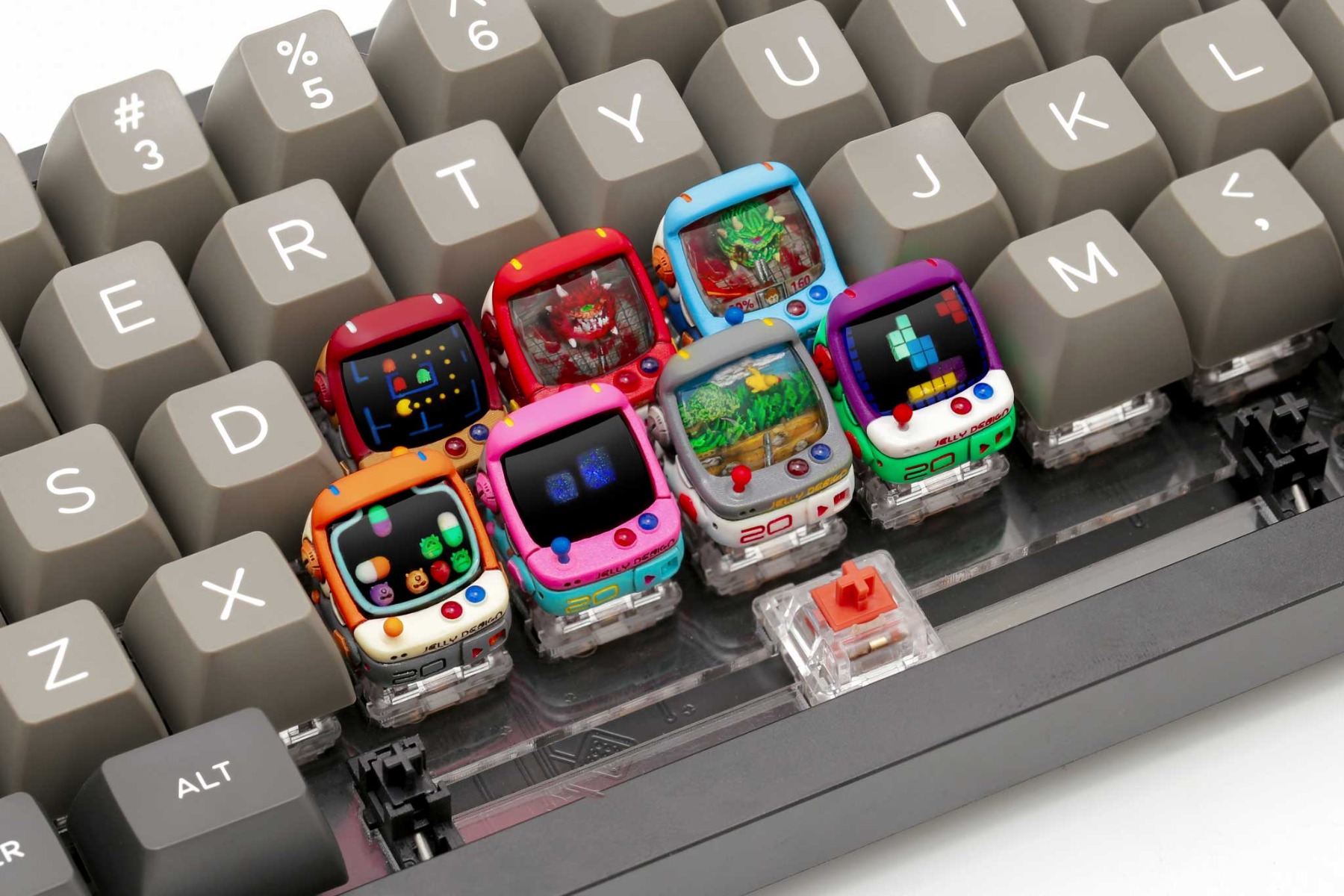
ABS (Acrylonitrile Butadiene Styrene) keycaps are widely recognized for their affordability and ease of production. This thermoplastic, commonly used in a variety of consumer goods, lends itself well to the manufacturing of keycaps, enabling a cost-effective option for consumers. One notable characteristic of ABS keycaps is their ability to be produced in a range of vibrant colors and finishes, which allows for creative customization of keyboards. The versatility in design can appeal to enthusiasts looking for an aesthetic edge in their gear.
However, while ABS keycaps are advantageous in terms of price and color variety, they have some drawbacks. One major concern is their durability compared to alternative materials. ABS keycaps tend to wear down more quickly, which can lead to noticeable signs of use over time. This includes fading of colors and the development of a shiny appearance on the surface due to the oils from fingers, often referred to as ‘shine’. This phenomenon can diminish the attractive finish of the keycaps and may require replacements sooner than with other materials.
Another factor to consider is the overall feel and feedback when typing. While many users find ABS keycaps to be comfortable, the plastic quality can impact the sound and tactile response, potentially leading to a less satisfying typing experience for some. It is essential for consumers to weigh these aspects, especially if they prioritize long-term use and durability in their keyboard setup.
Comparative Durability: PBT vs ABS
The durability of keycap materials, particularly PBT (Polybutylene Terephthalate) and ABS (Acrylonitrile Butadiene Styrene), is a crucial factor for keyboard enthusiasts and users alike. Understanding how these materials perform under various conditions will help in making an informed choice for long-term use.
PBT keycaps are known for their robust nature. They are resistant to wear and tear, exhibiting minimal signs of usage even after extensive typing. One of the standout features of PBT is its ability to withstand higher temperatures, making it less likely to warp or deform. Additionally, PBT keycaps possess a higher resistance to chemical exposure, meaning they will hold up better against oils and grime from fingers, thereby maintaining their texture and appearance over time.
On the other hand, ABS keycaps, while favored for their ease of production and low cost, tend to show wear and tear more rapidly. They can exhibit a shiny surface due to abrasion, which is particularly noticeable after prolonged use. ABS is also more susceptible to physical damage from impacts and can become brittle over time, depending on environmental conditions.
When exposed to heat or sunlight, ABS keycaps may fade in color and degrade more quickly than their PBT counterparts. This susceptibility can significantly impact their longevity, making them less suitable for users who require durable keycap options. Environmental factors such as humidity can also affect both materials but typically do not compromise the integrity of PBT keycaps as severely as they do with ABS.
Ultimately, for those prioritizing longevity, PBT is generally the superior choice due to its superior wear resistance and environmental stability, while ABS offers affordability at the cost of durability.
Aesthetic Differences: Texture and Finish
When comparing PBT and ABS keycap materials, distinct aesthetic qualities become apparent that influence user preference and keyboard design. PBT (Polybutylene Terephthalate) keycaps are known for their superior texture and finish. They typically exhibit a dull, matte surface that not only feels pleasant to the touch but also mitigates fingerprints and shine over time. This matte texture contributes to a more sophisticated appearance, appealing to users who favor understated elegance.
In contrast, ABS (Acrylonitrile Butadiene Styrene) keycaps often feature a glossier finish. This shiny surface can enhance the vibrancy of colors, providing a striking aesthetic that many gamers and casual users appreciate. However, the reflective quality of ABS can lead to a buildup of fingerprints and smudges, which may deter some users who prefer a cleaner look. Additionally, ABS keycaps can lose their shine more quickly than PBT counterparts due to wear and tear, often diminishing their initial appeal.
Color options further differentiate PBT and ABS materials. PBT keycaps offer a more limited range of colors compared to ABS, primarily due to the ways in which these materials are dyed. PBT often employs dye-sublimation printing, a method that infuses dye into the plastic itself, creating vibrant colors that are less likely to fade over time. This technique also allows for crisp legends, enhancing the readability of key labels. In contrast, ABS keycaps may utilize pad printing or laser engraving, which can produce vivid designs but often lacks the durability and longevity seen in dye-sublimated PBT keycaps.
In summary, the aesthetic differences between PBT and ABS keycaps, influenced by factors like texture, shine, color options, and print methods, significantly impact user preferences. While PBT keycaps are favored for their durability and matte finish, ABS keycaps appeal to those seeking bright colors and glossy aesthetics. Understanding these distinctions can aid users in making informed decisions for their keyboard setups.
Sound Profile: Keycap Acoustics

The acoustics of keycaps significantly influence the overall typing experience, affecting both user comfort and the auditory feedback that many typists value. When it comes to PBT (Polybutylene Terephthalate) and ABS (Acrylonitrile Butadiene Styrene) keycap materials, there are distinct differences in sound profiles that can impact your decision.
PBT keycaps are renowned for their thicker build and denser material, which typically results in a “thocky” sound when key presses are made. This acoustic property is often preferred by enthusiasts who seek a more pronounced auditory feedback while typing. The stability of PBT helps reduce any ringing or hollow sounds associated with keystrokes, making it an ideal choice for users who prioritize sound quality.
On the other hand, ABS keycaps tend to produce a higher-pitched, lighter sound. This characteristic can be attributed to their thinner construction, which allows for a more resonant tone when keys are pressed. While some users may enjoy the bright sound produced by ABS keycaps, others might find it less satisfying compared to the deeper, more muted tones of PBT. The variation in sound can also depend on factors like the keyboard switch used, as certain switches amplify the acoustic properties of keycaps.
Moreover, the processing techniques used in manufacturing these keycaps can affect their acoustic behavior further. For instance, thicker keycaps generally do a better job of dampening sound compared to their thinner counterparts, regardless of whether they are made from PBT or ABS. Overall, understanding the sound profile of each material can guide you in selecting the ideal keycap for your keyboard, thereby enhancing your overall typing experience.
Cost Analysis: PBT vs ABS
The price differential between PBT (Polybutylene Terephthalate) and ABS (Acrylonitrile Butadiene Styrene) keycaps is influenced by several factors, including the manufacturing process, material quality, and brand reputation. Generally, PBT keycaps tend to be more expensive than their ABS counterparts due to the higher cost of materials and the complexity of the production process.
PBT is known for its durability and resistance to wear, which often justifies its higher price point. The manufacturing process for PBT keycaps requires greater precision and often involves injection molding with a higher quality of raw material. This not only leads to a more robust product but also contributes to the higher manufacturing costs, which are typically passed on to consumers.
Conversely, ABS keycaps are generally cheaper, primarily due to the lower cost of the raw materials and simpler production techniques. ABS offers decent performance and is suitable for many users, especially those who are looking for cost-effective solutions for their keyboards. However, the trade-off comes in the form of durability; ABS keycaps may wear out faster and are prone to shine over time, which can detract from their overall aesthetic appeal.
Brand influence also plays a significant role in determining the final cost of keycaps. Well-known brands often charge a premium for PBT keycaps, emphasizing their superior quality and longevity. In contrast, lesser-known brands usually offer ABS keycaps at more accessible prices, resulting in a wider availability for budget-conscious consumers.
Ultimately, consumer choices are heavily influenced by these factors, as individuals must weigh the long-term benefits of investing in PBT keycaps against the immediate affordability of ABS options. This decision will vary based on personal preferences, usage requirements, and financial considerations.
User Preferences and Community Insights
When it comes to the choice between PBT and ABS keycaps, user preferences vary widely based on factors such as durability, feel, and aesthetics. Many keyboard enthusiasts express a strong preference for PBT keycaps due to their inherent sturdiness and resistance to wear compared to ABS. PBT keycaps are less likely to develop a shiny appearance over time, which contributes to their appeal among users who prioritize longevity and tactile feedback.
Community forums such as Reddit’s mechanical keyboard subreddits are rife with discussions on keycap preferences. Users frequently highlight the satisfaction they derive from the heftier feel of PBT caps, alongside their non-flexibility, which is believed to contribute positively to typing experience. On the other hand, ABS keycaps, while generally more affordable and available in a wider variety of colors and textures, are often criticized for their tendency to become glossy with extended use, leading many to consider them as a less favorable option in the long term.
Surveys conducted across multiple keyboard enthusiast platforms further reinforce these sentiments, showing a marked preference for PBT over ABS. A significant portion of casual users gravitate towards ABS due to its affordability and availability, especially for those who prioritize budget-friendly options over long-term usability. However, a growing shift in awareness regarding keycap materials has encouraged even casual users to explore PBT options as they become more accessible and competitively priced.
User reviews often emphasize not just the material qualities of the keycaps but also their impact on gaming and typing performance. For competitive gamers, the durability and responsiveness of PBT can be a decisive factor, while casual typists may find that the variety offered by ABS suits their needs just as well.
Conclusion: Which is Better for You?
In evaluating the merits of PBT and ABS keycaps, it is essential to consider the specific needs and preferences of each user. Both materials present distinct advantages and disadvantages that cater to different use cases. PBT keycaps are celebrated for their durability and resistance to wear, making them an excellent choice for heavy typists and gamers who require consistent performance over time. The superior texture and matte finish of PBT keycaps also contribute to a premium typing experience, which many users appreciate.
On the other hand, ABS keycaps are generally more affordable and offer a wider variety of colors and designs, appealing to those who enjoy customizing their keyboards. However, they are prone to shine and wear over extended use, which may not suit users who prioritize longevity. The lighter weight of ABS keycaps can also affect the typing feel, potentially resulting in a less satisfying experience for some individuals.
For gamers, the choice may lean towards PBT due to their enhanced durability under heavy usage. Typists who engage in prolonged sessions might also favor the comfort and stability that PBT keycaps can provide. Conversely, users who enjoy personalizing their keyboards or who are budget-conscious may find ABS keycaps to be a more attractive option.
Ultimately, the decision between PBT and ABS keycaps hinges on one’s individual priorities in terms of aesthetics, durability, and functionality. It is advisable to assess what aspects are most crucial for your typing style or gaming needs before making a purchase. By aligning your choice with your intended use, you can enhance your overall keyboard experience and satisfaction.