


Keyboard layouts refer to the arrangement of keys on a keyboard and how they are configured for user input. The common layouts, such as QWERTY, AZERTY, and Dvorak, differ in the placement of letters, numbers, and special characters. Understanding these layouts is essential as they impact typing speed, ease of access to certain characters, and overall user efficiency. In the context of gaming, the keyboard layout becomes particularly significant as it can influence a player’s performance and comfort during extended gaming sessions.
For gamers, selecting the appropriate keyboard layout is crucial. A well-optimized layout allows for quick access to vital commands, enabling players to react swiftly in fast-paced environments. Certain layouts may offer advantages, such as customizable key bindings or improved ergonomics, which can enhance performance and reduce fatigue. Choosing the right keyboard layout also involves considering the types of games played; for example, first-person shooters might benefit from a different setup compared to strategy games.
Moreover, the categorization of keyboard layouts extends beyond merely the physical arrangement of keys. Layouts can also be classified based on various input methods, such as mechanical or membrane keyboards, each offering unique tactile experiences. As gaming technology evolves, so do keyboard layouts, with many manufacturers now providing options for programmable keys that cater specifically to gaming needs.
In summary, the significance of keyboard layouts transcends mere typing convenience; they play a critical role in gaming performance. Understanding the different types of layouts, their advantages, and how they can be customized is key to achieving optimal gaming performance. The following sections will delve deeper into the various layout options available, focusing on their suitability for gaming scenarios.
Common Keyboard Layouts Used in Gaming
When it comes to gaming, the choice of keyboard layout can significantly impact a player’s performance and overall experience. Among the most widely adopted layouts are QWERTY, AZERTY, Dvorak, and Colemak. Each of these layouts offers unique characteristics that cater to different preferences and gaming styles.
The QWERTY layout is by far the most common keyboard configuration, especially in Western countries. Its familiarity makes it a top choice for gamers who are accustomed to traditional typing styles. One of its primary advantages is the vast range of gaming peripherals designed for QWERTY users. However, some argue that its design can lead to inefficiencies in key placement for fast-paced gaming.
In contrast, the AZERTY layout is prevalent in French-speaking regions. This layout rearranges a few keys, making it more suitable for French language users. For gamers, this can pose a challenge as many games are primarily designed with QWERTY users in mind, potentially making it difficult to find compatible key bindings.
The Dvorak layout aims to enhance typing speeds and reduce finger movement. Some gamers opt for Dvorak due to its ergonomic design, which is believed to minimize strain during long gaming sessions. Despite its advantages, the Dvorak layout has a steeper learning curve and a smaller community, which can hinder the availability of game-specific support and resources.
Lastly, the Colemak layout blends the familiarity of QWERTY with improved efficiency features similar to Dvorak. By retaining many commonly used shortcuts, it allows gamers to transition smoothly while benefiting from reduced finger fatigue. Nevertheless, it is less recognized than QWERTY, possibly limiting its adoption in gaming circles.
The Importance of Key Placement and Functionality
In the realm of gaming, the importance of key placement and functionality cannot be overstated. A gaming keyboard’s design significantly impacts players’ responsiveness and performance. Ergonomic key placement not only facilitates comfort during extended play sessions but also enhances quick access to crucial game commands. This becomes particularly vital in fast-paced gaming scenarios where every millisecond counts.
When evaluating a keyboard layout for gaming, one must consider the accessibility of essential keys. Gaming keyboards often incorporate features such as customizable macros and programmable keys, which allow players to streamline their gameplay by executing complex commands with a single keystroke. The strategic placement of these macros, often positioned near the WASD keys or other frequently used areas, can make a substantial difference in how effectively a player interacts with the game environment.
Moreover, the tactile feedback and responsiveness of the keys contribute to overall functionality. Mechanical switches, for instance, are popular among gamers for their distinct feedback and durability, ensuring that every keypress is registered with precision. The layout should also accommodate different hand sizes and grip styles, allowing for comfortable navigation without strain.
In addition, the backlighting of keys can enhance visibility in low-light gaming environments. Key placement that highlights essential functions through customizable lighting further assists players in accessing fast-acting commands during gameplay. An ideal keyboard layout emphasizes the importance of organization and intuitive design. By maximizing the accessibility and responsiveness of key placements, gamers can optimize their performance, leading to improved gameplay experiences.
Customizable Keyboard Layouts and Macro Programming
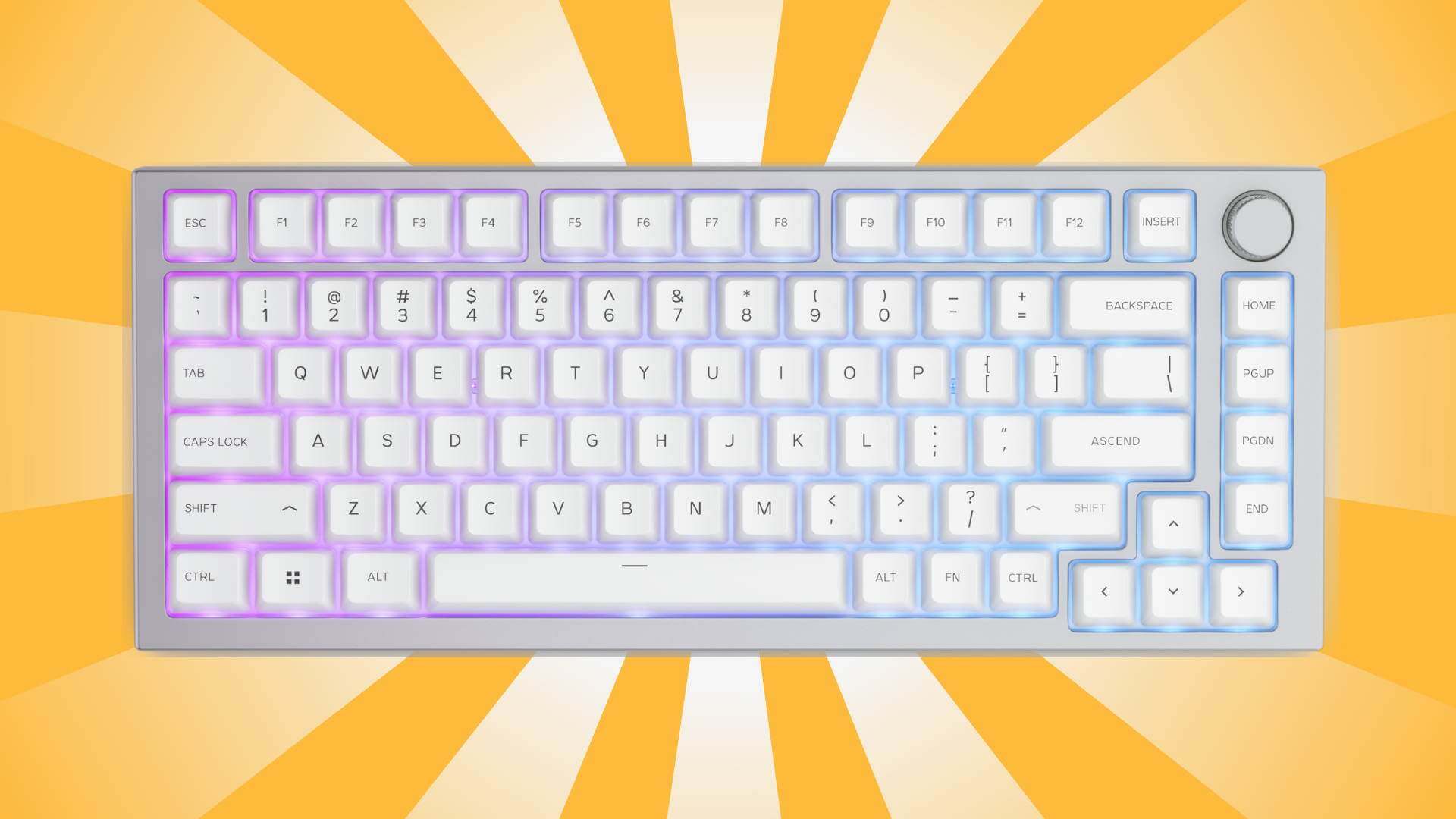
In the competitive world of gaming, the ability to customize keyboard layouts can significantly enhance a player’s performance. One of the most notable advantages is the opportunity to tailor the key functions to fit individual preferences and gameplay styles. Many gaming keyboards come equipped with software that allows users to reassign keys, enabling players to create configurations that feel more intuitive and comfortable. This personal touch can lead to quicker reactions, as players can place essential commands within easy reach.
Furthermore, macro programming further elevates the customization experience. Macros allow players to record a sequence of keystrokes and assign them to a single keypress. This functionality is particularly beneficial in games that require complex maneuvers or combinations, allowing players to execute intricate commands with minimal effort. For instance, in fast-paced scenarios, programmed macros can significantly reduce the time it takes to perform a series of actions, thus providing a competitive edge.
The implementation of customizable keyboard layouts and macros is not limited to just professional gamers; casual players can also benefit from these features. By adjusting layout settings and utilizing macros, players can substantially improve their efficiency and effectiveness in gameplay. This means less time fumbling for keys and more focus on executing strategies and responding to opponents. The advantages are clear: an optimized keyboard setup leads to improved reaction times and a more enjoyable gaming experience overall.
Comparison of Mechanical and Membrane Keyboards in Gaming
When it comes to gaming keyboards, the choice between mechanical and membrane keyboards is a crucial consideration for many gamers. Both types of keyboards possess distinct characteristics that can significantly impact gaming performance and user experience. Understanding these differences in responsiveness, tactile feedback, and durability is essential for gamers seeking the best keyboard layout suited to their needs.
Mechanical keyboards are renowned for their exceptional responsiveness due to their individual mechanical switches beneath each key. These switches provide distinct tactile feedback, allowing gamers to execute actions swiftly and accurately. This feature is particularly advantageous in competitive gaming, where speed and precision can determine the outcome of a match. The durability of mechanical keyboards also adds to their appeal; many mechanical models boast lifespans exceeding 50 million keystrokes, making them an investment that can withstand intense gaming sessions.
On the other hand, membrane keyboards utilize a rubber dome mechanism, which may not offer the same level of tactile feedback as mechanical keyboards. This design often results in a softer feel when pressing the keys, and while they generally require less force to activate a key press, they lack the pronunciation experienced with mechanical switches. In terms of durability, membrane keyboards typically have a shorter lifespan, averaging around 5 million keystrokes, which could be a limiting factor for avid gamers.
The choice of keyboard layout—mechanical versus membrane—ultimately depends on individual preferences and gaming styles. Gamers who prioritize rapid response times and tactile sensations may lean towards mechanical keyboards, while those seeking a quieter and more economical option might opt for membrane keyboards. Understanding these features is crucial for making an informed decision that aligns with one’s gaming requirements.
Professional Gamers’ Preferences and Insights
In the world of competitive gaming, the choice of keyboard layout can significantly influence performance and gameplay. Professional gamers often have a preference for specific layouts that enhance their efficiency and speed. For instance, renowned eSports athlete Shroud has been known to favor the QWERTY layout, appreciating its familiarity and the muscle memory built over years of use. His ability to execute precise movements in first-person shooters is attributed, in part, to his solidified comfort with this layout.
Another professional player, Daigo Umehara, a legend in the fighting game community, utilizes a customized layout tailored to his personal needs. He emphasizes the importance of having quick access to key commands. His unique setup showcases how adapting traditional layouts can lead to enhanced responsiveness, which is crucial in a fast-paced gaming environment. Players like Daigo illustrate that personal adaptation to keyboard layouts can optimize gameplay experiences.
On the other side of the spectrum, some gamers have explored alternative layouts like Dvorak. Professional streamer Asmongold experimented with this layout, citing improved typing speed and decreased finger movement as benefits. While he ultimately returned to QWERTY, his exploration highlights an important aspect of gaming: individual preference and the extent to which one must trial different layouts to find the ideal fit.
The insights from these professionals indicate that while popular layouts like QWERTY dominate the scene, adaptability, and experimentation play vital roles in achieving peak performance. Each gamer’s journey in finding the best keyboard layout is unique, ultimately influenced by their specific gaming style and preferences. Such choices can markedly affect not only gameplay mechanics but also overall enjoyment in competitive scenarios.
Factors to Consider When Choosing a Keyboard Layout for Gaming

When selecting a keyboard layout for gaming, several critical factors warrant consideration to enhance the overall gaming experience. The choice of keyboard layout can significantly affect gameplay efficiency and personal comfort.
First and foremost, personal comfort plays a vital role. Each gamer has unique preferences regarding key spacing, shape, and resistance when typing or gaming. A layout that feels comfortable can lead to quicker reflexes and more precise inputs, which are crucial in competitive gaming scenarios. Many gamers tend to favor layouts that allow for seamless hand movement and minimize strain, especially during extended gaming sessions.
Another essential factor is the type of games played. Different genres often require distinct keyboard configurations. For instance, first-person shooters (FPS) may demand intricate key bindings for quick response times, while role-playing games (RPGs) might benefit from layouts that facilitate multiple commands. Understanding the gaming style and corresponding requirements allows players to select a keyboard layout that complements their gameplay effectively.
Hardware compatibility also deserves attention. Not all keyboards are built the same; some may possess features like programmable keys, customizable lighting, or mechanical switches that enhance gaming performance. It is important to ensure that chosen keyboard layouts are compatible with gaming mice or other devices being used to create a unified setup.
Lastly, practice and adaptation are essential. Even the most well-suited layout requires time to master. Gamers should be willing to invest time in practice, as developing muscle memory with a chosen layout can lead to improved efficiency and enhanced gameplay. Adapting to a new layout may initially present challenges, yet the rewards often outweigh the initial discomfort.
Trends in Gaming Keyboard Layouts
As the gaming industry continues to evolve, so do the peripherals that enhance player experience, with keyboard layouts being at the forefront of this transformation. Recently, ergonomic designs have gained traction among gamers who spend extensive hours in front of their screens. The traditional flat keyboard is gradually being overshadowed by models that offer better wrist angles and support. These ergonomic advancements aim to reduce strain and enhance comfort, particularly during long gaming sessions, allowing players to maintain peak performance.
In addition to ergonomic innovations, the type of key switches used in gaming keyboards is undergoing a significant shift. Mechanical switches remain popular due to their tactile feedback and durability, but new designs are emerging that prioritize customizable responses. Many gamers now prefer switches that allow for adjustable actuation points, giving them a competitive edge in fast-paced gameplay situations. Brands are also experimenting with optical switches that promise faster response times, further catering to the requirements of enthusiastic gamers.
Software enhancements are another critical trend, as they play a crucial role in personalizing the gaming experience. Advanced RGB lighting, programmable keys, and dedicated gaming profiles enhance both aesthetics and functionality. Software tools allow gamers to remap keys easily and create macros tailored specifically to their gaming needs. Additionally, cloud synchronization of settings has emerged, enabling gamers to access their preferences across different devices effortlessly. These technological advancements enrich the overall user experience, indicating a promising future for gaming keyboard layouts.
Conclusion and Recommendations
In the quest for the optimal keyboard layout for gaming, it is essential to recognize that the best configuration ultimately depends on individual preferences, gaming styles, and the specific genres of games played. Throughout this discussion, we have highlighted several types of keyboard layouts, including QWERTY, Dvorak, Colemak, and gaming-specific configurations, each offering unique advantages and disadvantages. Players must understand each layout’s features to make informed decisions tailored to their gaming needs.
When considering the ideal keyboard layout, gamers should experiment with different options, as personal comfort and ergonomics can significantly enhance performance. The familiarity with a particular layout can influence gameplay efficiency, particularly in fast-paced scenarios where reaction times are critical. Therefore, trying out various configurations can lead to discovering a setup that suits one’s finger positioning and typing habits. It is advisable to engage in practice over several gaming sessions with each layout to truly gauge effectiveness.
Additionally, investing in a high-quality mechanical keyboard may further augment the gaming experience. These devices often have customizable features that allow for specific key reassignments, enabling players to configure their controls uniquely and intuitively. As a recommendation, consider trying out different layouts in conjunction with a mechanical keyboard to assess the combination that offers the highest comfort and responsiveness.
Ultimately, the journey towards finding the best keyboard layout for gaming should be regarded as an ongoing process. By remaining open to experimentation and adjustments, gamers can identify the keyboard configuration that maximizes their gameplay while ensuring a pleasurable gaming experience.