


In the realm of competitive gaming, the choice of peripherals plays a significant role in influencing performance levels. Among the various options available, lightweight gaming mice have garnered considerable attention and popularity, setting them apart from traditional gaming mice. These devices are specifically designed to minimize weight without sacrificing performance, catering to the unique needs of gamers who prioritize speed and agility.
Lightweight gaming mice typically weigh less than their standard counterparts, often thanks to innovative materials and design techniques. This reduction in weight allows for quicker and more precise movements, enabling users to execute commands with minimal effort. Moreover, the ergonomic design of these mice is optimized for comfort during extended gaming sessions. Many players find that a lighter mouse leads to less fatigue over time, which is a crucial factor in high-stakes gaming scenarios.
The perception of lightweight gaming mice as superior tools for performance has led to a proliferation of models on the market, each boasting unique features catered to various gaming styles and preferences. Gamers are becoming increasingly aware of the benefits these devices provide, such as enhanced maneuverability and improved aim in fast-paced scenarios. Additionally, many players appreciate the adaptability of these mice, which can often be customized through adjustable weights or other modifiable components.
As a consequence of these advantages, lightweight gaming mice have established themselves as preferred options among enthusiasts and competitive players alike. The growing trend reflects a broader shift in the gaming community, where performance-enhancing technology and comfort are paramount considerations when selecting gaming equipment.
The Importance of Weight in Gaming Performance
The weight of a gaming mouse is a critical factor that directly influences gaming performance. A lightweight mouse offers numerous advantages that can significantly enhance a player’s experience during gaming sessions. First and foremost, the enhanced maneuverability provided by a lightweight design allows for quicker, more precise movements. This is especially important in fast-paced games where split-second decisions can lead to victory or defeat. Gamers who require swift reflexes and the ability to change direction quickly will find that a lighter mouse can give them a competitive edge.
Moreover, a lightweight gaming mouse can contribute to improved accuracy. Many professional gamers prefer lighter models because they can easily control the mouse’s movement without excessive strain. This precision becomes particularly paramount in genres such as first-person shooters (FPS) and real-time strategy (RTS) games, where targeting accuracy is essential. The lighter design permits faster adjustments to aim, leading to more successful engagements with opponents. Additionally, precise control over movements allows players to perform advanced techniques, enhancing gameplay overall.
Another significant aspect of weight relates to reduced fatigue during extended gaming sessions. Gamers often engage in lengthy play periods, which can lead to physical strain when using heavier devices. A lightweight mouse alleviates much of this burden, making it easier for users to maintain comfort and focus without experiencing fatigue in their wrist or hand. Consequently, players are more likely to remain engaged and perform at their best during long sessions. Thus, the weight of a gaming mouse is not merely a matter of preference; it plays a vital role in ensuring improved performance, precision, and comfort in the gaming environment.
Materials Used in Lightweight Gaming Mice
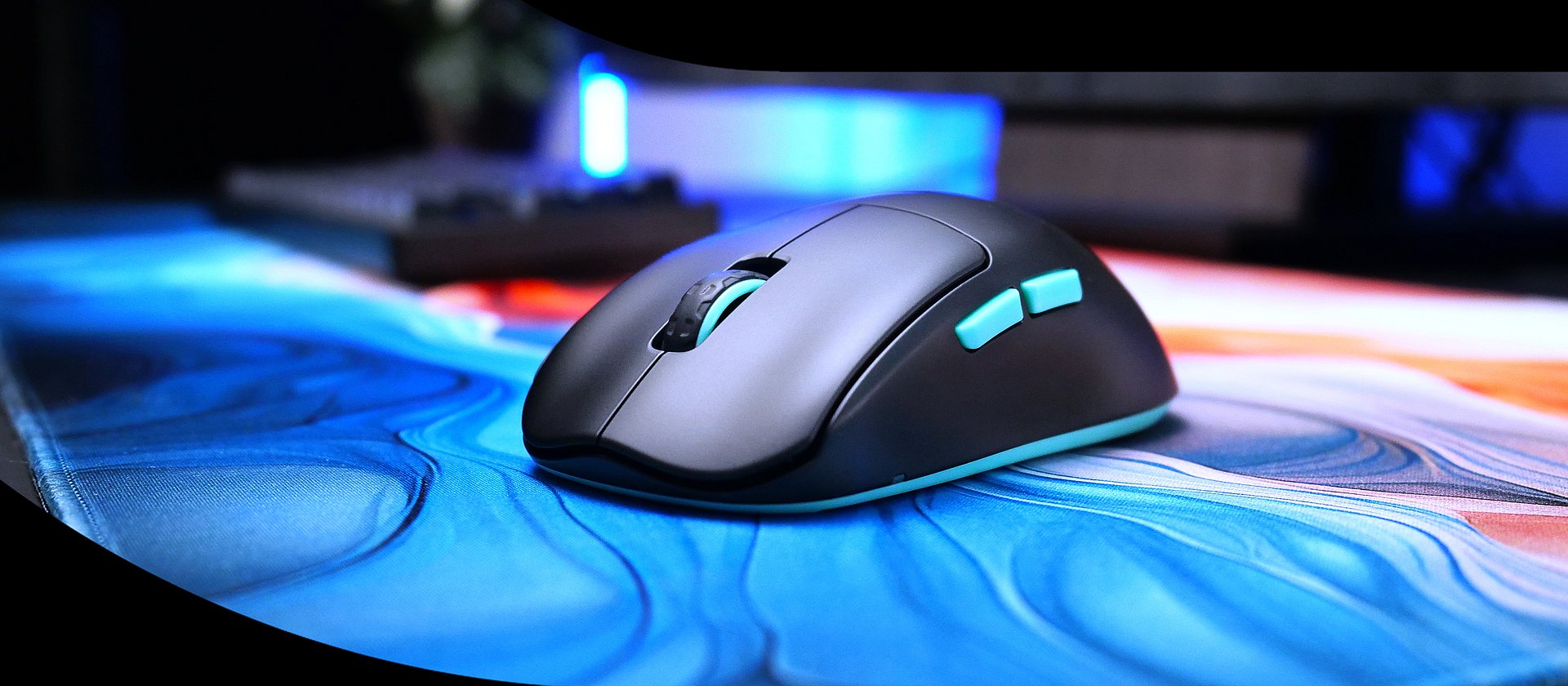
Lightweight gaming mice have rapidly gained popularity among esports enthusiasts and casual gamers alike due to their agility and ease of use. A significant factor contributing to their light weight is the choice of materials used in their construction. Manufacturers have increasingly turned to innovative materials that allow for weight reduction while maintaining the necessary durability and performance.
One of the most commonly used materials in the production of lightweight gaming mice is plastic composites. These materials are both lightweight and resilient, which makes them ideal for gaming peripherals. By using specialized plastic formulations that incorporate reinforcements, manufacturers can achieve a strong yet lightweight design. This approach allows for the development of streamlined forms, enhancing the user’s gaming experience through improved handling.
Another prevalent material in lightweight gaming mice is aluminum, known for its durability and strength-to-weight ratio. While aluminum is generally heavier than plastics, manufacturers have employed advanced engineering techniques, such as skeletonized designs, to minimize weight without compromising structural integrity. The inclusion of aluminum components can provide a premium feel and aesthetic, appealing to gamers seeking quality in their equipment.
Furthermore, advanced polymers have emerged as a game-changing material in this sector. These polymers can be engineered to provide a lightweight alternative while offering excellent performance in terms of flexibility and strength. The use of specific blends and chemical alterations allows manufacturers to tailor the properties of these materials to suit lightweight gaming mouse designs.
Ultimately, the choice of materials in lightweight gaming mice is crucial in balancing weight, durability, and user comfort. By utilizing a combination of plastic composites, aluminum, and advanced polymers, manufacturers can produce gaming mice that meet the demands of modern gamers.
Design Features That Promote Lightweight Construction
The construction of a gaming mouse is pivotal in determining its weight, and various design features contribute significantly to creating lightweight models that enhance user experience. One of the most innovative approaches in contemporary gaming mice design is the incorporation of hole patterns, often referred to as honeycomb designs. These strategically placed holes allow for the simultaneous reduction in material and weight without sacrificing structural integrity. As a result, the gaming mouse remains durable while offering a surprisingly low weight that many gamers appreciate.
Another critical aspect of lightweight construction is the minimalist design philosophy. In many cases, manufacturers strive to eliminate excess components and materials that do not directly enhance functionality. This reduction not only leads to a sleeker form factor but also diminishes the weight of the mouse. Consequently, a minimalist design can improve maneuverability, allowing gamers to achieve swift, precise movements vital in competitive gaming scenarios.
Furthermore, the outer casing of the gaming mouse plays a crucial role in its overall weight. By utilizing advanced materials such as lightweight plastics or reinforced polymers, manufacturers can design a mouse that feels lightweight in hand while ensuring strength and resilience. These materials often substitute heavier metals, which, although they might offer durability, add unnecessary weight. The combination of light materials and thoughtful design results in a gaming mouse that feels natural during long play sessions, reducing fatigue and improving performance.
These design features, including hole patterns, minimalist aesthetics, and the use of lighter materials, not only contribute to a gaming mouse’s weight but also enhance its functionality. By facilitating better control and agility, they cater to the needs of gamers who require precision and speed in their gameplay. As the gaming industry evolves, these lightweight design characteristics will continue to play a significant role in the development of next-generation gaming peripherals.
Technological Innovations for Weight Reduction
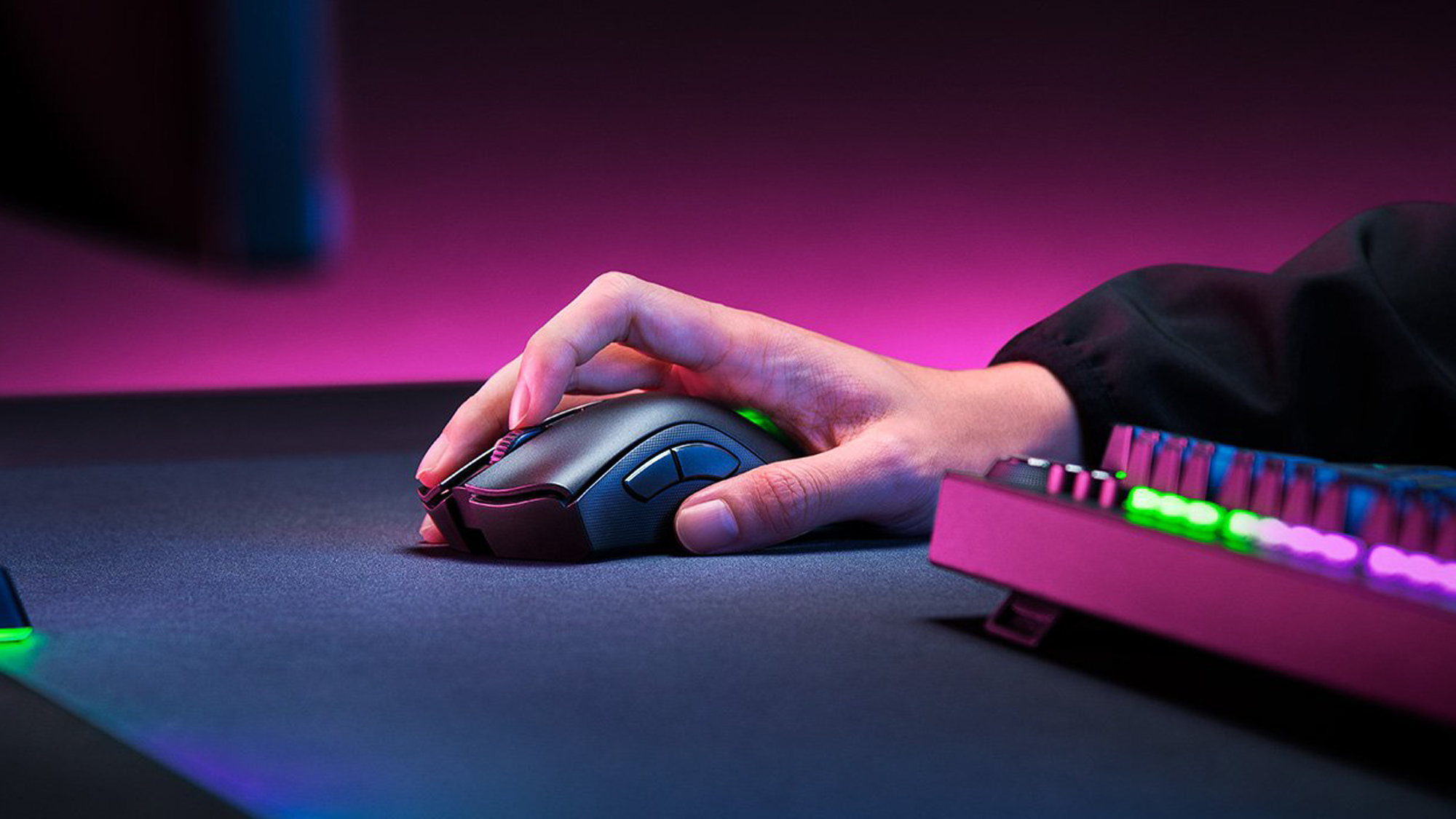
The evolution of lightweight gaming mice has been largely driven by several technological advancements that have made it possible to enjoy enhanced performance without the burden of excess weight. One of the most significant innovations in this area is the adoption of honeycomb structures in mouse design. This architectural approach allows manufacturers to effectively remove excess material while still maintaining structural integrity. The honeycomb pattern not only reduces weight but also improves airflow, enhancing comfort during prolonged gaming sessions.
Additionally, advances in sensor technologies have contributed significantly to the creation of lightweight gaming mice. Modern optical and laser sensors are more efficient, allowing for reduced size and weight without compromising on precision and responsiveness. These advanced sensors are designed to perform exceptionally well at high DPI settings, ensuring that gamers receive optimal performance even in the most demanding scenarios. As a result, gaming mice can now prioritize reduced weight while simultaneously offering the accuracy needed for competitive gaming.
Streamlined internal components also play a crucial role in achieving weight reduction. Gaming mice are now being equipped with lighter circuit boards and batteries, which diminishes the overall mass of the device. New battery technologies, such as lithium polymer, pack energy efficiently while reducing weight. Consequently, manufacturers have been able to optimize the layout of the internal parts to further minimize heft. These innovations collectively facilitate the production of gaming mice that support high levels of agility and speed, bringing players enhanced gaming experiences without excessive fatigue.
The Role of Wire and Connectivity in Weight
When considering what makes a gaming mouse lightweight, the type of connectivity plays a vital role. Gaming mice can generally be categorized into two types: wired and wireless. Each design inherently affects the overall weight and balance of the device. Wired gaming mice typically offer a consistent weight, since they do not require the inclusion of batteries for operation. The absence of additional components like batteries means that these mice can be designed to maximize performance while minimizing excess weight, resulting in a streamlined device that is often preferred by competitive gamers.
On the other hand, wireless gaming mice have evolved considerably over the years, and this has resulted in significant shifts in their weight characteristics. While traditional wireless designs necessitated larger batteries that would add heft, contemporary models are now utilizing advanced tech such as lightweight batteries and energy-efficient components. However, this does not negate the need for careful weight distribution considerations. Wireless models must balance the weight of the internal components, which can include batteries, sensors, and even connectivity modules.
Weight distribution impacts how a gamer perceives the mouse in terms of maneuverability and comfort. Excess weight concentrated in the rear, for instance, can hinder swift movements and responsiveness. Hence, manufacturers often design wireless mice to achieve a balanced weight and use lightweight materials that do not sacrifice performance. Furthermore, devices like high-end rechargeable batteries can remain lightweight while still providing sufficient longevity, thus enhancing the user experience without compromising on functionality.
In conclusion, the choice between wired and wireless connectivity options significantly influences the overall weight of gaming mice. Understanding these design principles will assist users in selecting a mouse that not only meets their performance needs but also aligns with their comfort preferences.
Weight Customization Options
The weight of a gaming mouse plays a crucial role in its performance and user experience, especially in competitive scenarios. Weight customization options have become increasingly popular among gamers, allowing for a more personalized approach to gaming peripherals. One of the most prevalent methods of achieving a tailored weight configuration is through adjustable weight systems. These systems often feature compartments that enable users to modify the mouse’s weight by adding or removing small weights.
These removable weights typically range from a few grams to a couple of dozen grams, providing gamers the flexibility to find their ideal balance. Many high-end gaming mice come with a set of weights that can be attached to specific points within the mouse, affecting not only the overall weight but also the center of gravity. This aspect is particularly important, as variations in weight distribution can significantly influence mouse handling and maneuverability.
A lightweight gaming mouse can enhance swift movements, allowing for quicker reflexes and precise aiming. Conversely, some gamers may prefer a slightly heavier mouse for stability and control during extended gameplay sessions. Furthermore, weight customization can adapt to different gaming genres. For instance, first-person shooter players might favor a lighter setup for rapid movements, while real-time strategy or role-playing game fans may opt for a more substantial feel for accuracy in clicking.
In addition to adjustable weight systems, some manufacturers offer software solutions that allow users to remap buttons or adjust settings, further enhancing the customization experience. The significance of a tailored weight configuration cannot be understated, as it can lead to improved performance and comfort over extended gaming sessions. This adaptability can also help in minimizing fatigue during gameplay, allowing gamers to focus solely on their performance.
User Preferences and Ergonomics of Lightweight Mice
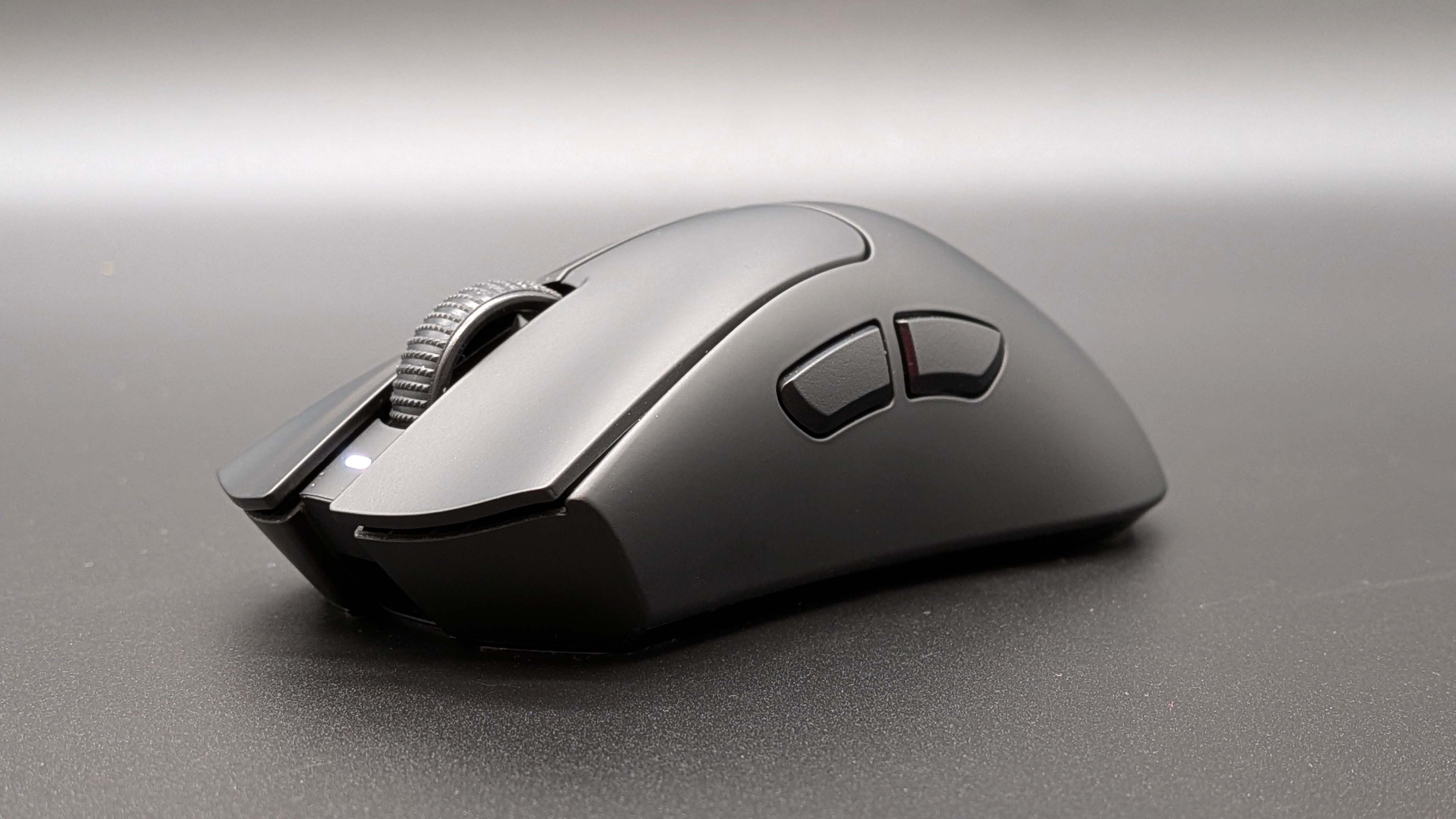
In the realm of gaming peripherals, particularly with gaming mice, user preferences play a crucial role in determining the suitability of lightweight options. The weight of a mouse significantly influences how comfortable it feels during prolonged gameplay sessions. Lightweight gaming mice, typically weighing less than 70 grams, are often favored by competitive gamers who require precision and quick movements. The reduction in weight allows for rapid flicks and reduced wrist strain, leading to an overall enhanced gaming experience.
Ergonomics, which refers to the design of products to optimize user comfort and efficiency, is an essential factor when considering lightweight gaming mice. Users have different hand sizes, grip styles, and preferences, all of which contribute to their choice of a specific model. For example, palm grip users may prefer a slightly heavier mouse that provides ample support, while fingertip grippers often favor lighter mice for agility.
The shape and material of lightweight gaming mice further enhance their appeal. Mice equipped with ergonomic shapes designed to fit the natural contour of the hand can significantly improve comfort, especially during extended use. Moreover, materials used in the construction of these mice play a role in both weight reduction and tactile feel. Lightweight plastics and honeycomb chassis designs not only decrease overall weight but also help in maintaining a durable structure, which can withstand the rigors of intense gameplay.
User feedback and personal experiences greatly influence the perceived comfort and effectiveness of a lightweight gaming mouse. Gamers often report higher satisfaction levels with designs that prioritize ergonomic features, leading to better performance and less fatigue. In summary, when selecting a lightweight gaming mouse, both the user’s comfort preferences and ergonomic designs are paramount for optimal playability.
Conclusion: The Future of Lightweight Gaming Mice
As the gaming industry evolves, the demand for lightweight gaming mice continues to grow, reflecting a shift in consumer preferences towards agility and enhanced performance. The key characteristics that contribute to a gaming mouse being classified as lightweight include the materials used in its construction, such as advanced plastics and carbon fiber, and the incorporation of ergonomic design principles that prioritize user comfort and efficiency. These factors have been instrumental in reducing the overall weight of gaming mice while maintaining durability.
Looking to the future, advancements in sensor technology and battery efficiency are expected to play a significant role in the lightweight gaming mouse market. As developers focus on integrating more sophisticated sensors that are not only precision-oriented but also lightweight, gamers can anticipate mice that enhance gaming performance without adding excess weight. Moreover, the continuous improvement in wireless technology may lead to an increase in lightweight wireless options that eliminate the need for cumbersome cables, further enhancing freedom of movement.
Additionally, the trend towards customizable and modular designs could result in personalized lightweight options catering to a wider range of gaming styles and preferences. This customization might allow players to choose specific components that optimize their control and responsiveness, adapting their setup for various gaming genres.
In conclusion, the future of lightweight gaming mice is promising, driven by technological advancements and a deeper understanding of user needs. As gaming enthusiasts continue to seek the balance between weight, comfort, and performance, manufacturers will likely innovate and refine their designs, ensuring that lightweight gaming mice remain a staple in the competitive gaming arena.