


The landscape of gaming accessories has experienced a significant transformation over the years, particularly in the realm of gaming mice. Initially, gamers relied on wired peripherals, which were the standard for a prolonged period. These early gaming mice provided the necessary functionality but often fell short in terms of convenience and flexibility. The restrictive nature of cables not only limited movement but also presented problems regarding desk space and cable management.
The transition towards wireless technology began as innovations in battery life, connectivity, and sensor accuracy made it feasible for gaming applications. As technology improved, the stigma surrounding wireless mice diminished, leading to a widespread integration of wireless systems in gaming. Enhanced battery performance now allows for extended gaming sessions without the need for frequent recharging. Moreover, low-latency wireless connections have addressed concerns regarding lag time, making wireless solutions competitive with their wired counterparts.
Furthermore, advancements in optical and laser sensor capabilities have improved the precision and responsiveness required for gaming. Manufacturers have developed models that cater specifically to the needs of gamers, ensuring that wireless gaming mice can provide the same level of performance necessary for competitive play. This evolution is not merely a trend but a reflection of shifting gamer preferences towards convenience and mobility.
The rise of wireless gaming mice is indicative of the broader evolution of gaming accessories, moving towards enhanced user experience. As gamers seek improved technology that accommodates their dynamic and mobile lifestyles, the shift from wired to wireless peripherals seems not only rational but also inevitable. Overall, this transition signals a new era in gaming that prioritizes both performance and ergonomic design.
The introduction of wireless technology in gaming mice marks a significant shift in how gamers interact with their devices. One of the most compelling advantages of wireless gaming mice is the enhanced freedom of movement they offer users. Unlike traditional wired mice, which tether players to a certain position, wireless options eliminate this restriction, allowing for a more fluid and dynamic gaming experience.
With a wireless gaming mouse, gamers can enjoy unrestricted mobility. This is particularly advantageous in fast-paced games, where every second counts. Players are no longer hindered by cables snagging on edges or providing resistance during swift directional changes. Consequently, this liberates gamers to make more agile movements, contributing to improved performance and an elevated overall experience.
The removal of cables also promotes a clutter-free gaming environment. For many, managing wires on a gaming desk can become cumbersome and distracting. Wireless gaming mice alleviate this issue, offering a seamless aesthetic that aligns with modern gaming setups. Enhanced organization leads to increased comfort, allowing players to focus on the game without being distracted by managing tangled cords.
Moreover, many wireless gaming mice feature advanced technology, including low-latency connections and exceptional battery life, ensuring that gamers do not sacrifice performance for the sake of convenience. New innovations mean that the differences in responsiveness between wired and wireless are now virtually negligible, making wireless models just as reliable. This combination of beautiful freedom and functional efficiency is fundamentally changing the gaming landscape, making wireless gaming mice a popular choice among enthusiasts and casual players alike.
Advancements in Wireless Technology
The evolution of wireless gaming mice is deeply intertwined with significant advancements in wireless technology. Over the past few years, engineers and developers have made considerable strides in reducing latency, thus enhancing the overall gaming experience. Low-latency connections are paramount for competitive gamers, where every millisecond counts. Modern wireless gaming mice now utilize advanced technologies, such as 2.4 GHz wireless protocols, which offer a near-instantaneous response rate that is comparable to wired counterparts. This shift has effectively dispelled long-held myths surrounding wireless lag, making them a viable option for professional and casual gamers alike.
Moreover, battery life has seen monumental improvements, which addresses a common concern regarding the uninterrupted performance of wireless devices. Cutting-edge battery technology combined with efficient power management systems allows for extensive gameplay without frequent recharges. For example, many high-performance wireless mice boast battery life that can extend to weeks, even with heavy usage. This means gamers can enjoy lengthy sessions without the annoyance of their device dying unexpectedly.
In addition to these improvements, the integration of Bluetooth technology and proprietary wireless systems has substantially enhanced connectivity and stability. Bluetooth has evolved from previous limitations, now offering faster data transmission and enhanced compatibility across diverse devices. Proprietary technologies are also being adopted by manufacturers to create dedicated communication protocols between the mouse and the receiver, which further minimize disruptions and ensure a seamless experience. As a result, players experience an uninterrupted flow, critical for success in fast-paced gaming scenarios.
These technological innovations not only elevate the performance of wireless gaming mice but also reflect the industry’s commitment to fostering advancements that cater to the evolving demands of gamers worldwide.
Design and Aesthetics
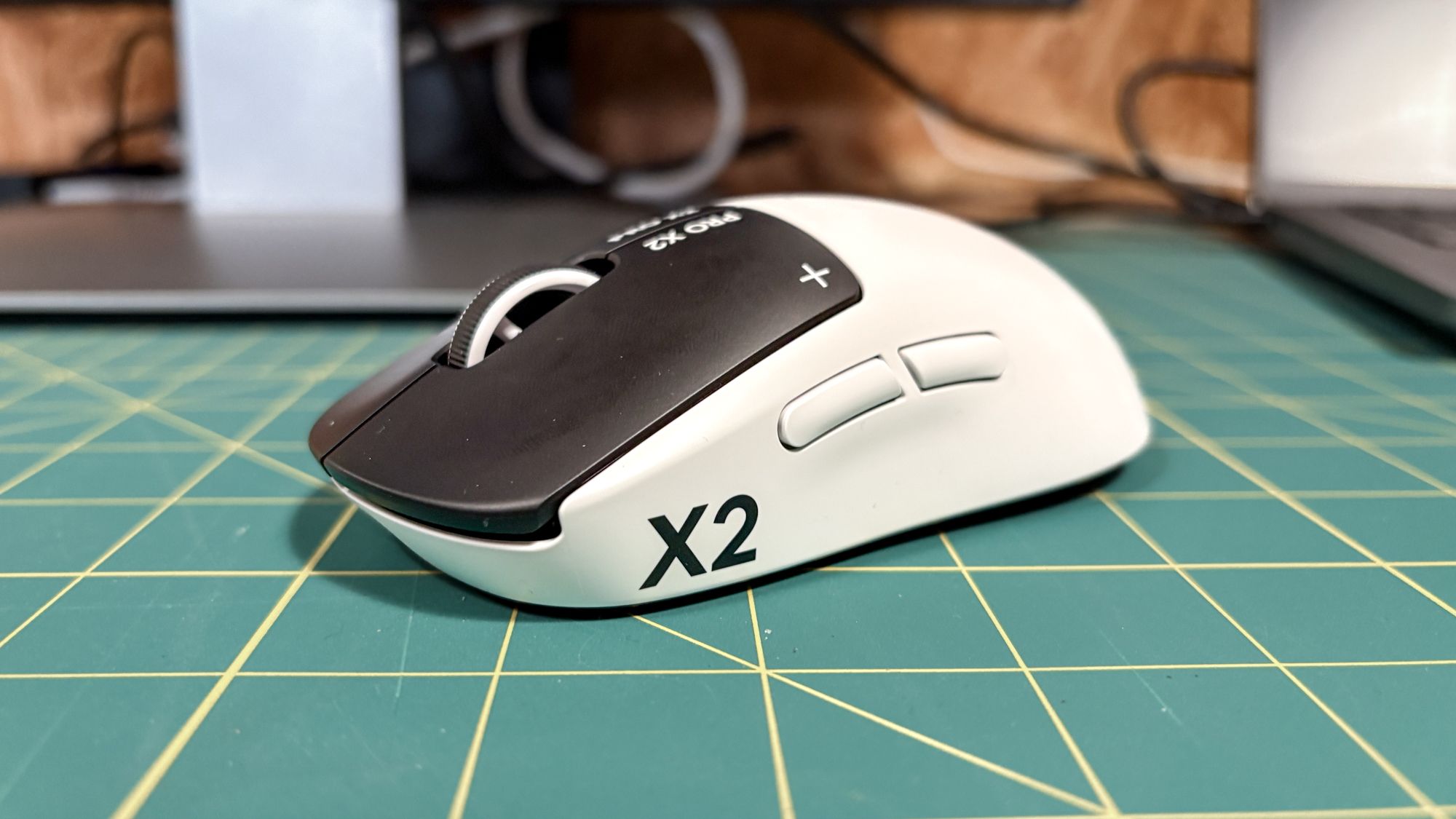
The design and aesthetics of wireless gaming mice have undergone significant evolution, reflecting both advancements in technology and changing consumer preferences. Today’s gaming mice are not only functional but also visually appealing, catering to gamers who appreciate style alongside performance. One of the most notable trends in the design of these devices is the increasing diversity of shapes and sizes. Manufacturers recognize that a single design cannot accommodate the varied hand sizes and grip styles of all gamers. As a result, there is a wider range of ergonomic shapes designed to enhance comfort during prolonged gaming sessions.
Moreover, personalization has become a key aspect of wireless gaming mice. Many models now boast customizable RGB lighting that allows gamers to tailor the color schemes of their devices to match their gaming setup or personal preferences. This feature adds a layer of aesthetic appeal and makes the gaming experience feel more immersive. Gamers can select from a wide array of colors and effects, creating a unique look that reflects individual style and enhances the visual dynamics of their gaming environment.
In terms of functionality integrated into design, manufacturers have also placed emphasis on weight distribution and materials used in wireless gaming mice. Lightweight materials combined with innovative designs help provide faster movements and enhanced control, crucial for competitive gaming. Additionally, many models now incorporate textured grips, which improve handling and prevent slippage during intense gameplay. These design improvements not only enhance functionality but also contribute to a distinctive look that is appealing to gamers who value both performance and aesthetics.
Overall, the evolution of design and aesthetics in wireless gaming mice demonstrates a growing understanding of gamers’ needs. The blend of ergonomic features with customizable options ensures that these devices are not only tools for gaming but also expressions of personal style.
Competitive Edge in Gaming Performance
In the rapidly evolving landscape of competitive gaming, wireless gaming mice have emerged as essential tools for professional gamers and eSports athletes. These devices have managed to combine the freedom of movement with advanced technologies, offering a significant competitive edge that was once the domain of their wired counterparts. The key lies in their superior tracking precision and response times, which are critical in high-stakes gaming environments.
Many modern wireless gaming mice are equipped with advanced optical sensors that achieve high DPI (dots per inch) settings, ensuring that every minute movement of the mouse is accurately translated into screen action. This is particularly beneficial in fast-paced games that require quick reflexes and precise aim, such as first-person shooters (FPS) like “Counter-Strike: Global Offensive” and battle royale games like “Fortnite”. Players can perform intricate maneuvers and execute complex strategies, all while enjoying the wireless freedom that these mice provide.
Moreover, the latest wireless technologies have practically eliminated issues previously associated with wireless devices, such as lag and connectivity inconsistencies. With advances in 2.4GHz wireless technology and Bluetooth connections, top-tier wireless mice now boast response times that rival wired models. For instance, esports professionals frequently endorse brands like Logitech and Razer, both known for their cutting-edge wireless gaming mice that offer exceptional performance. Players have reported decreased latency and increased accuracy, which are crucial during critical moments in competitive gaming.
Additionally, the durability and battery life of modern wireless gaming mice have greatly improved, allowing gamers to participate in long tournaments without the worry of device failure. Overall, the combination of performance, technology, and convenience makes wireless gaming mice an indispensable part of today’s competitive gaming scene, empowering players to hone their skills and achieve excellence in their respective games.
Portability and Convenience

In recent years, the popularity of wireless gaming mice has surged, largely due to their remarkable portability and convenience. Gamers increasingly prioritize these aspects, especially those who travel often or participate in gaming events. One of the primary advantages of wireless gaming mice is their ease of transport. Unlike traditional wired models, which can be cumbersome and require ample space for storage, wireless devices are lightweight and often designed with compactness in mind. This streamlined design allows gamers to easily slip their mice into a backpack or a carrying case without any hassle.
Another significant benefit that wireless gaming mice provide is the elimination of cable tangles. The presence of wires can detract from the gaming experience and create frustration, particularly in fast-paced gaming scenarios where mobility and reaction times are crucial. By opting for a wireless gaming mouse, users can enjoy a clean, clutter-free workspace. The absence of tangled cords not only adds to a neat setup but also minimizes distractions, allowing gamers to focus solely on their gameplay.
Moreover, advancements in wireless technology have enhanced the performance of these devices, ensuring that gamers do not have to sacrifice responsiveness for the sake of convenience. Many modern wireless gaming mice utilize cutting-edge technologies, such as ultra-fast connectivity and improved battery life, which enables gamers to use their devices seamlessly at home or on the go. This versatility is particularly appealing to mobile gamers who require a reliable setup that remains functional in various environments.
Consumer Preferences and Trends
The gaming industry has witnessed a significant transition in the preferences of consumers, particularly regarding the types of peripherals they utilize. Recent surveys indicate an encouraging trend towards the adoption of wireless gaming mice. According to a study by Market Research Future, the global gaming peripherals market is projected to grow, with wireless devices capturing a considerable market share. This shift can be attributed to various factors that resonate with gamers of all experience levels.
One of the most compelling statistics comes from a recent survey conducted by 1000Gamers, revealing that over 65% of respondents expressed a preference for wireless gaming mice due to their freedom of movement and reduced clutter. This growing consumer preference highlights a shift from traditional wired models, facilitating a more immersive gaming experience without the hindrances of wires. Additionally, advancements in wireless technology, such as low-latency Bluetooth connections and improved battery life, have contributed significantly to the growing trust in wireless devices.
Moreover, market trends indicate that ergonomics and design are becoming pivotal in influencer choices. Gamers are actively seeking products that enhance comfort during prolonged use while maintaining high performance. Wireless gaming mice manufacturers are tailoring their designs to provide optimal grip and weight balance, appealing to a broad spectrum of users, from casual gamers to professional e-sports players. The rise of customizable features, including programmable buttons and interchangeable weights, is another indicator of evolving consumer demands.
In summary, the upward trend in consumer preferences for wireless gaming mice is driven by a combination of technological advancements, ergonomic considerations, and the desire for a clutter-free gaming environment. As these trends continue to unfold, the gaming scene is likely to see further innovations in wireless technology aimed at enhancing the user experience.
Cost and Value Comparison
The landscape of gaming peripherals has seen considerable change, particularly concerning gaming mice. Historically, wired gaming mice have been favored for their cost-effectiveness and lack of latency; however, advancements in technology have allowed wireless gaming mice to emerge as viable contenders in the gaming industry. The cost associated with wired mice typically ranges from $30 to $100, depending on brand, specifications, and features. Wireless gaming mice have seen a more prominent price range, starting from $50 and extending over $200 for high-end models.
As the technology has evolved, wireless gaming mice are now equipped with cutting-edge features like low-latency performance and longer battery life, which were once the primary advantages of their wired counterparts. When evaluating the total cost of ownership, it is essential to consider the durability and potential longevity of these products. Wired mice may seem less expensive initially; however, they are not immune to wear and tear, which may necessitate more frequent replacements.
In terms of value, consumers are increasingly prioritizing functionality and convenience over initial expenses. This shift is evident in the growing adoption of wireless technology among gamers, as the performance gap between the two types of mice narrows. Moreover, certain brands now offer subscription services or extended warranties that can enhance the value proposition of a premium wireless mouse, allowing gamers to invest in quality without significant upfront costs.
Ultimately, while wireless gaming mice may require a larger initial investment, their evolving technology and the potential for long-term savings in replacement costs create a compelling case for their purchase. This evolution reflects a broader trend in the gaming industry where high-performance features and ergonomic designs blend with affordability, offering gamers substantial choices tailored to their playing styles.
Conclusion: The Future of Gaming with Wireless Mice
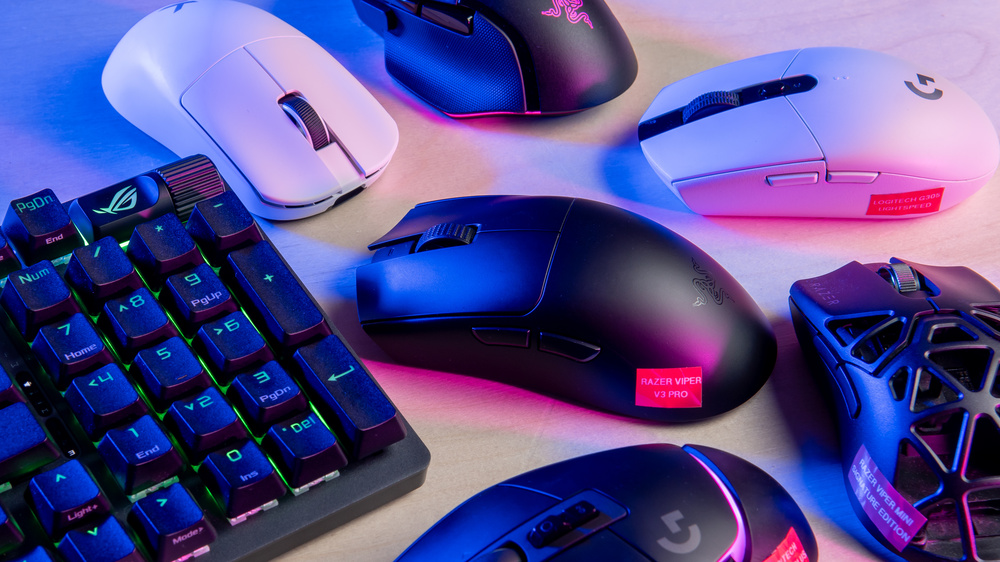
As we have explored throughout this blog post, the rise of wireless gaming mice has significantly reshaped the gaming landscape. The advent of advanced technologies such as low-latency connectivity and extended battery life has rendered these devices not only competitive but often superior to their wired counterparts. Gamers are increasingly drawn to the freedom of movement and the aesthetic appeal that wireless models offer, making them a favored choice among enthusiasts and professionals alike.
Looking ahead, several trends may further influence the trajectory of wireless gaming mice. For instance, the ongoing development of faster wireless technologies, such as Bluetooth 5.0 and beyond, promises even lower latency and more reliable connectivity. This evolution could eliminate the last remaining hesitations about wireless gaming reliability. Additionally, manufacturers are likely to invest in innovations around energy efficiency, leading to longer-lasting batteries that can support high-performance gaming sessions without the need for frequent recharging.
Another crucial aspect is the growing focus on personalization and adaptability in gaming mice design. As the gaming culture continues to expand, we might see an increase in customizable features that allow players to tailor their devices to suit their unique preferences and play styles. Furthermore, the integration of artificial intelligence could enhance user experience, offering smart functionalities such as automatic adjustments based on gaming activity.
In summary, the outlook for wireless gaming mice is incredibly promising. With technology advancing at a rapid pace and gamer preferences evolving, we can anticipate the emergence of innovative solutions that will address current limitations, solidify the place of wireless gaming mice in the market, and undeniably shape the future of gaming as a whole.