


Mechanical keyboards have gained prominence over the years, particularly among gaming enthusiasts, programmers, and typing professionals. The evolution of this technology traces back to the early days of computing, with the first commercial mechanical keyboards introduced in the 1970s. These keyboards utilized individual mechanical switches for every key, ensuring distinctive tactile feedback and enhanced durability compared to their membrane counterparts.
One of the defining characteristics of mechanical keyboards is their use of a variety of switch types. Each switch offers a unique feel and sound, catering to diverse user preferences. Unlike membrane keyboards, which rely on pressure pads and rubber domes for key actuation, mechanical keyboards use physical switches that can typically withstand millions of keystrokes. This durability makes them particularly appealing for users who spend long hours typing or gaming.
The rising popularity of mechanical keyboards can largely be attributed to their superior performance, customization options, and aesthetic appeal. Gamers, for instance, favor these keyboards for their precise actuation and reduced latency compared to membrane keyboards, which can often feel unresponsive. Additionally, the ability to switch out keycaps and customize lighting enhances the overall user experience.
As technology has progressed, manufacturers have introduced various innovations, including hot-swappable mechanical keyboards. This advancement allows users to easily change their keyboard switches without soldering, thereby enabling greater customization and personalization of their devices. With the rising interest in mechanical keyboards and their distinct advantages over traditional keyboard designs, understanding these advancements is crucial for users contemplating an upgrade.
What Does Hot-Swappable Mean?
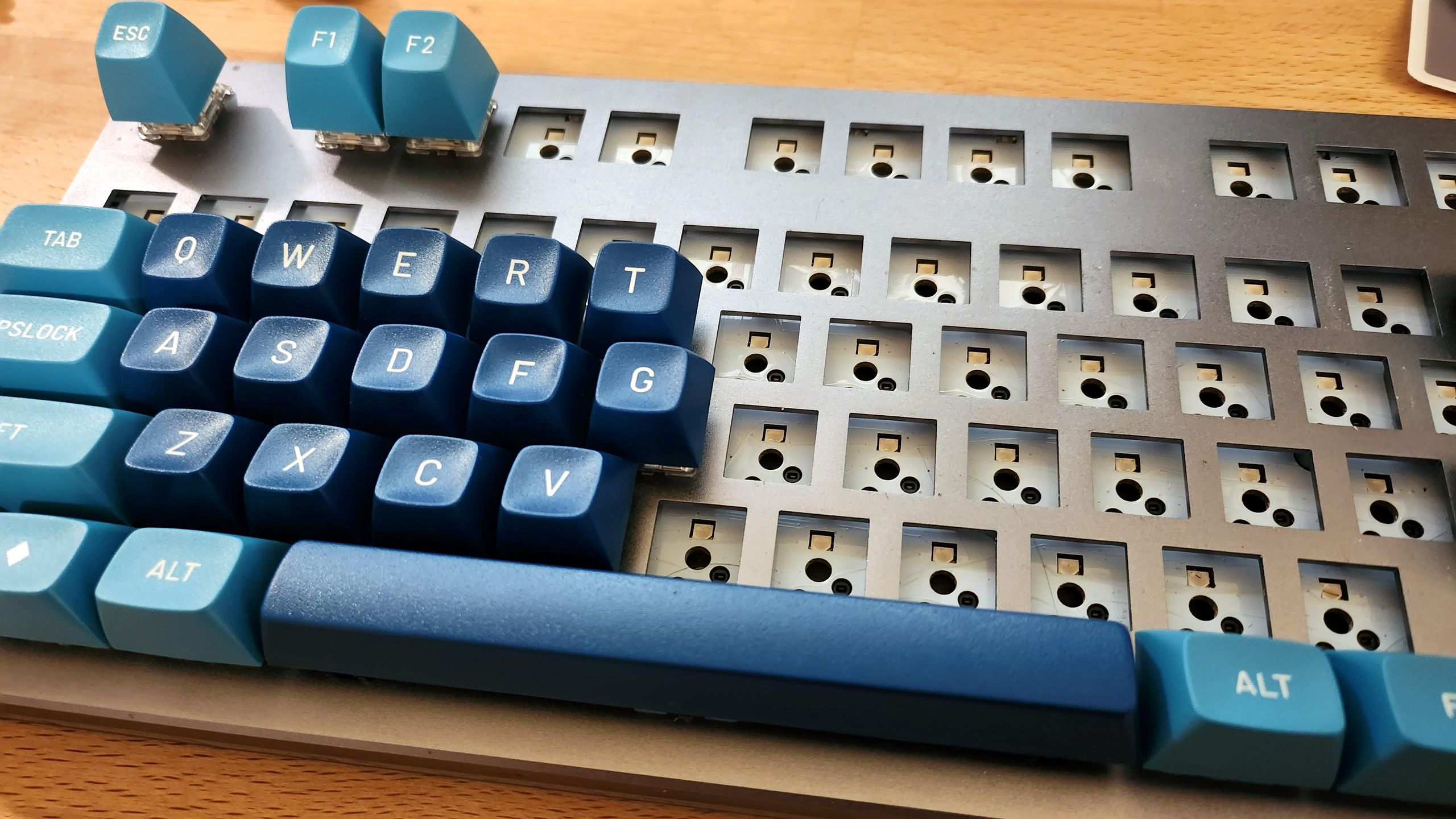
The term “hot-swappable” in the context of mechanical keyboards refers to the capability of users to replace the keyboard switches without requiring any soldering. This design feature has revolutionized the way enthusiasts manage their keyboards, significantly enhancing both user experience and customization options. Typically, changing switches in standard mechanical keyboards necessitates technical skills and tools, as it involves desoldering existing switches and soldering new ones. In contrast, hot-swappable keyboards allow for an entirely tool-free approach, making the process accessible to all users, regardless of their technical expertise.
When a keyboard is labeled as hot-swappable, it generally means that each switch is mounted on a socket that connects directly to the keyboard’s PCB (printed circuit board). This socket mechanism allows users to simply pull out the switch and insert a new one. The ability to switch out different types of mechanical switches quickly opens up a world of customization for the keyboard user, enabling different tactile experiences, switch colors, and sound profiles. Many users find this flexibility essential for both aesthetics and performance, as they can tailor their keyboards to fit personal preferences.
Furthermore, hot-swappable keyboards cater to the growing trend of DIY keyboard building. Hobbyists can experiment with various switches to discover their favorites without a commitment to one switch type. This trial-and-error approach not only makes it easier to find the best switches for gaming or typing but also fosters a community culture where sharing experiences about switch types and configurations has become common. All these factors contribute to the overall appeal of hot-swappable mechanical keyboards, indicating that the investment in such technology is often well justified.
Advantages of Hot-Swappable Keyboards

Hot-swappable mechanical keyboards present several significant advantages that appeal to a broad range of users, making them a worthy investment for both casual gamers and serious typists alike. One of the primary benefits is the extensive customization options they offer. Users can easily switch out mechanical switches without the need for soldering skills, allowing for a personalized typing experience that can be tailored to individual preferences and styles. This flexibility enables users to try different switch types, such as tactile, linear, or clicky, to find the perfect fit for their specific needs.
In addition to personalization, the ease of switch replacement is a notable feature of hot-swappable keyboards. When a switch wears out or becomes less responsive, users can simply pull out the faulty switch and insert a new one, thus eliminating the need to replace the entire keyboard. This process significantly prolongs the lifespan of the keyboard and enhances overall usability. Furthermore, many hot-swappable mechanical keyboards come with an extensive library of compatible switches, making replacement and upgrades straightforward and cost-effective.
The upgrade potential offered by hot-swappable keyboards cannot be overlooked. As technology advances, new and improved switches are released, providing an opportunity for users to stay current with the latest innovations in mechanical keyboard design. With a hot-swappable mechanism, users can effortlessly adapt to emerging preferences, ergonomic designs, and increased performance capabilities.
Finally, hot-swappable keyboards cater to varying typing preferences and styles. Whether users are engaged in programming, gaming, or everyday document editing, they can choose switches that best suit their needs, leading to improved comfort and satisfaction during use. This adaptability makes hot-swappable mechanical keyboards a practical choice for anyone looking to enhance their typing experience.
Potential Drawbacks of Hot-Swappable Keyboards
While hot-swappable mechanical keyboards offer numerous advantages, potential drawbacks merit attention for consumers considering this technology. One of the primary concerns is compatibility. Hot-swappable keyboards are designed to support a variety of switch types, but not all switches may seamlessly fit or function optimally in every keyboard model. This can pose a challenge for users who wish to experiment with different switches or brands, as the compatibility varies greatly. Some keyboards may only work with specific pin configurations, restricting the choices available to users.
Moreover, stability can be a concern with certain designs of hot-swappable keyboards. Due to the nature of their construction, which allows users to rapidly change switches, some models may experience a trade-off in structural integrity. This can lead to wobbling or a less secure fit during intensive typing sessions or gaming. Users may find themselves encountering inconsistent key responses, potentially affecting their overall experience.
Additionally, there is a perception that hot-swappable keyboards may be less durable compared to non-hot-swappable counterparts. While hot-swappable designs are intended for easy maintenance and customization, the mechanism that enables hot-swappability can create vulnerabilities over time. Components may wear out sooner, especially if the keyboard is frequently used for switch swapping, which can lead to a shorter lifespan than traditional models.
In summary, while hot-swappable mechanical keyboards offer flexibility and convenience, users should be aware of the potential compatibility issues, possible stability concerns, and durability perceptions. Balancing these factors with the benefits can lead to a more informed decision when investing in a new keyboard.
Comparison with Traditional Mechanical Keyboards
Hot-swappable mechanical keyboards represent a significant advancement in keyboard technology, allowing users to change switches without soldering. These keyboards cater to the growing community of enthusiasts looking for customization and versatility. However, traditional mechanical keyboards possess distinct characteristics that might appeal to different user preferences.
In terms of construction, a hot-swappable keyboard is designed with a socket that enables easy switch replacement, ensuring no permanent alterations. In contrast, traditional mechanical keyboards require soldering to replace the switches, which can be a considerable drawback for users who may not have the technical skills or equipment. This ease of replacement in hot-swappable models makes them more accessible for users who wish to experiment with various switch types, enhancing personalization.
Functionality also differentiates the two types of keyboards. Hot-swappable keyboards offer the flexibility of trying different switch types quickly, accommodating varying needs, while traditional keyboards often provide a more stable, consistent experience across the board. Users who prefer specific switch characteristics may opt for traditional models that can be finely tuned and optimized to their liking over time, offering a sense of reliability.
The experience offered by these keyboards further tilts the scale. Hot-swappable keyboards tend to appeal to gamers and individuals who frequently change their switch preferences, as the convenience of customization can enhance performance. On the other hand, traditional mechanical keyboards tend to have established reputations for delivering a consistent typing experience, making them ideal for users who favor reliability over flexibility.
In conclusion, while hot-swappable mechanical keyboards offer impressive benefits of customization and ease of use, traditional mechanical keyboards still hold value for those who appreciate a reliable, stable typing experience. Each option has its strengths and is ultimately a matter of personal preference and intended use.
Hot-swappable mechanical keyboards are designed to cater to various users, enhancing the typing experience for different audiences such as gamers, typists, and hobbyists. Each group can derive unique benefits from the switch customization capabilities offered by these keyboards.
For gamers, the ability to interchange switches quickly allows for tailored tactile experiences that can vastly improve performance. Gamers often have specific preferences for key actuation force and feedback, which can vary depending on the game genre. A hot-swappable mechanical keyboard enables them to effortlessly modify their setup without the need for soldering, ensuring that they can switch between various switches as per their gaming needs.
Typists represent another demographic that can greatly benefit from hot-swappable keyboards. Individuals who spend extensive hours typing for work or personal projects will appreciate the ergonomic advantages of customized switches. A user can select softer switches for extended typing sessions to reduce fatigue or opt for stiffer switches to enhance their typing speed and accuracy. This flexibility means that typists can create their ideal typing environment, drastically improving productivity and overall comfort.
Hobbyists, particularly those interested in keyboard modding and enthusiasts looking to join the customizable keyboard community, will find hot-swappable mechanical keyboards an appealing choice. These users enjoy experimenting with different switches to achieve ideal aesthetics and performance. The ability to swap out switches easily allows for creativity and personalization, making it simple to try unique setups without a significant time investment.
In summary, hot-swappable mechanical keyboards cater to a range of users who wish to customize their typing experience. Gamers, typists, and hobbyists can each leverage the unique advantages provided by this innovative keyboard technology, making them worthwhile investments for many.
Price Range for Hot-Swappable Mechanical Keyboards
The price range for hot-swappable mechanical keyboards varies significantly based on several factors, including brand reputation, key switch type, build quality, and additional features. Generally, budget-friendly options can be found in the range of $50 to $100, making them accessible for entry-level users and casual gamers. These models often come equipped with basic switches and standard designs, appealing to those who seek a functional keyboard without breaking the bank.
As one progresses in their search for a hot-swappable keyboard, the mid-range options typically fall between $100 and $200. Keyboards in this bracket often feature higher-quality materials, customizable RGB lighting, and more switch options, increasing their appeal to enthusiasts who appreciate aesthetics and durability. Brands such as Keychron, Ducky, and Glorious offer popular models within this range, known for their reliable performance and versatility.
For those willing to invest higher amounts, high-end hot-swappable mechanical keyboards can cost anywhere from $200 to upwards of $300 or more. Products in this category frequently include premium switch options, advanced programmable features, and exceptional build quality, often crafted from materials like aluminum or reinforced plastics. Moreover, these high-end models cater to gamers and typists who value performance, aesthetics, and longevity in their devices.
It is also essential to consider the comparison between hot-swappable and non-hot-swappable keyboards. While non-hot-swappable models may be cheaper, particularly for basic ranges, they lack the flexibility of customization that hot-swappable keyboards offer. This feature allows users to experiment with different switch types without needing to replace the entire keyboard, adding value to the investment in a hot-swappable model. In light of these factors, budget-conscious shoppers should assess their personal needs and usage patterns before making a decision, ensuring they select a keyboard that provides both performance and value for money.
Top Hot-Swappable Mechanical Keyboards
As the demand for customizable and flexible keyboard options continues to rise, hot-swappable mechanical keyboards have become an increasingly popular choice among enthusiasts and casual users alike. In 2023, a range of quality models has emerged, catering to diverse preferences and budgets. Here, we explore some of the top hot-swappable mechanical keyboards that stand out this year.
The Keychron K6 is a compact wireless mechanical keyboard that offers excellent versatility. It features a hot-swappable design, allowing users to easily change switches without soldering. Users appreciate its Bluetooth capability, making it convenient for those who often switch between multiple devices. Additionally, the K6 is compatible with both Windows and macOS, enhancing its usability.
Next up is the Akko 3068, which combines stylish aesthetics with impressive performance. This 65% keyboard provides a solid typing experience and includes a variety of switch options. Its hot-swappable nature allows users to experiment with different switches for tailored feedback and sound. The Akko 3068 has been praised for its build quality and vibrant keycap designs.
The Ducky One 2 Mini remains a favorite in the gaming community for its compact design and customizable RGB lighting. With its hot-swappable switches, gamers can rapidly modify their setup to achieve the perfect tactile feel. Users frequently highlight its durability and performance, making it a solid investment for both casual and competitive gaming.
Lastly, the Glorious GMMK (Glorious Modular Mechanical Keyboard) offers a modular approach to keyboard customization. This full-size keyboard supports a wide range of switches and features a sleek design. Its hot-swappable capability makes it ideal for those who want to try different switch types without technical skills. Users rave about its performance and customizable options.
These hot-swappable mechanical keyboards in 2023 exemplify a balance of quality, functionality, and design. With such a variety in price and features, there are options suitable for every type of user. Whether you’re a gamer, a professional typist, or simply someone who enjoys tinkering with their keyboard, there is likely a hot-swappable mechanical keyboard that fits your needs perfectly.
Conclusion: Is it Worth Buying?
In evaluating whether a hot-swappable mechanical keyboard is worth the investment, several factors must be taken into consideration. Hot-swappable mechanical keyboards offer users the unparalleled flexibility to change switches without soldering, significantly enhancing the customization potential. This feature appeals to both gamers and typists who value a personalized experience, as it allows for the easy experimentation with various switch types to find the ideal tactile feedback and resistance.
Furthermore, the longevity of hot-swappable keyboards stands out. With traditional mechanical keyboards, wear and tear can diminish the quality of the typing experience over time. In contrast, the ability to easily replace worn-out switches in a hot-swappable model can prolong the lifespan of the keyboard, contributing to cost efficiency in the long run.
It’s also essential to consider personal typing habits and preferences. For individuals who frequently type or game, the comfort and functionality of a hot-swappable keyboard can significantly enhance productivity and enjoyment. However, for casual users or those who do not require frequent customization, the investment may not yield substantial benefits. Hence, potential buyers should reflect on their specific needs and how much value they place on customization versus functionality.
In summary, while hot-swappable mechanical keyboards do come with a higher price tag compared to non-swappable options, they offer significant advantages in customization and durability. Ultimately, the decision to invest should be based on one’s individual typing habits and preferences. If customization and long-term flexibility resonate with your needs, a hot-swappable mechanical keyboard is indeed a worthwhile investment.