


RGB lighting, an abbreviation for Red, Green, and Blue lighting, represents a color model that employs the additive color principle. By adjusting levels of each primary color, RGB can produce a vast array of colors, making it a versatile choice in various applications, notably in gaming setups. Initially, RGB technology emerged in basic displays and electronic devices. However, as technology progressed, RGB lighting began to find its niche in the gaming industry, enhancing the visual experience for players.
The evolution of RGB lighting can be traced back to simple LED implementations that served primarily functional purposes. As gaming became a more immersive experience, the aesthetic appeal of RGB lighting gained prominence. Today, it is not merely an optional add-on but a significant aspect of modern gaming environments. Gamers often utilize RGB lighting to create visually captivating setups that can synchronize with gameplay, thus enhancing overall engagement.
Several technological advancements have powered the growth of RGB lighting in gaming. These include improved LED technology, which allows for brighter, more vibrant colors, and the ability to control lighting effects via software. This enables customization of colors, patterns, and synchronization with in-game events, offering gamers a tailor-made experience that elevates their immersion.
The integration of RGB lighting into gaming setups extends beyond mere aesthetics; it also serves functional roles, such as providing ambient lighting that can reduce eye strain during extended gameplay sessions. Furthermore, with the rise of competitive gaming, strategic use of RGB lighting can impact player performance by creating an engaging and stimulating environment.
The Aesthetic Appeal of RGB Lighting
RGB lighting has fundamentally changed the visual dynamics of gaming setups, transforming them into immersive environments that reflect the unique personality of each gamer. This technology allows users to customize their lighting to match their gaming preferences, color schemes, and moods, enhancing the overall appeal of their gaming space. Through an array of colors and lighting effects, RGB lighting can create vibrant animations, smooth transitions, and ambient glows that elevate the aesthetic experience to new heights.
Customization is key to the aesthetic allure of RGB lighting. Gamers can personalize their setups by choosing specific hues and brightness levels that resonate with their individual tastes. This personalization can extend beyond mere color selection; dynamic lighting effects that sync with in-game actions can contribute to a more engaging and immersive experience. For example, lighting can pulse or change color in response to in-game events, adding visual excitement and a sense of connection to the gameplay.
Furthermore, RGB lighting can serve as a focal point in a gaming room. When strategically placed, it highlights key elements of the setup such as monitors, keyboards, and desktop cases, drawing attention and creating a unified, visually appealing theme. This cohesive approach not only enhances the beauty of the setup but also invites creativity and inspiration among gamers, fostering a deeper connection to their gaming environment.
Overall, the aesthetic appeal of RGB lighting extends beyond mere decoration; it is about creating a personalized sanctuary for enthusiasts. The interplay of colors and effects can transform an ordinary gaming space into a vibrant, energetic atmosphere, making RGB lighting an essential component in crafting an inspiring gaming setup.
Immersive Gaming Experience
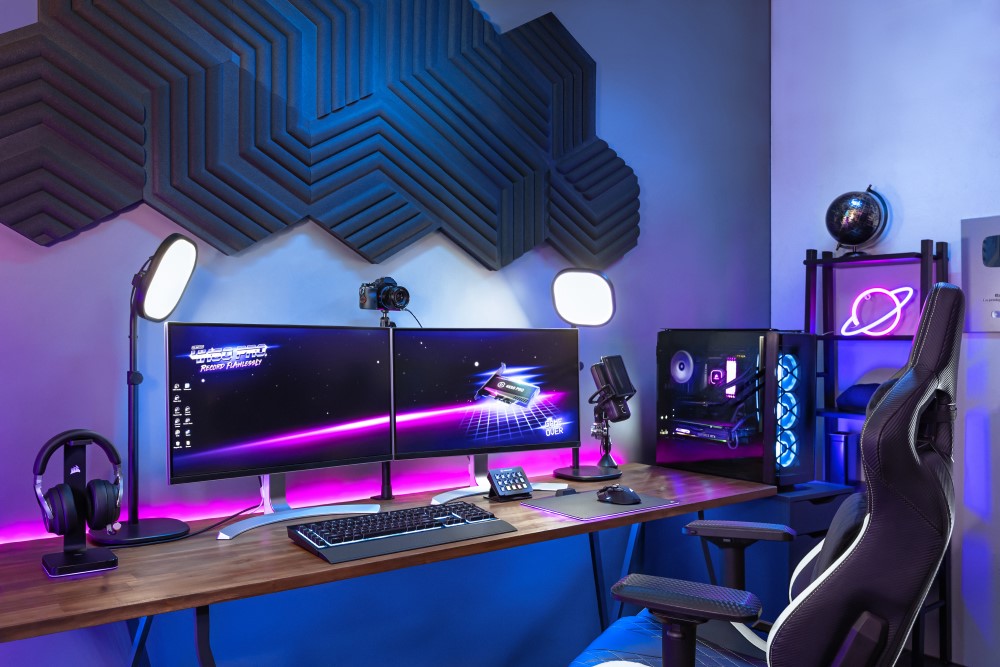
RGB lighting plays a pivotal role in creating a rich and immersive gaming experience. By integrating various color schemes and lighting effects into gaming setups, players find themselves more engaged in the virtual worlds they explore. The synchronization of RGB lighting with in-game action can transform the gaming atmosphere, making it feel more dynamic and alive. For instance, when a player’s character enters a combat zone, the lighting can pulse or change to vibrant red tones, reflecting the urgency of the situation and heightening adrenaline levels.
Moreover, different colors can evoke specific emotional responses from players. Blue lights might convey tranquility, perfect for exploration segments, while fiery oranges or reds can simulate intense action scenes. This use of RGB lighting not only enhances the visual appeal of a gaming setup but can also subconsciously influence players’ emotional states, thereby intensifying their overall gaming experience. As players interact with the game, the lighting can respond in real-time, adjusting to match crucial moments, such as winning an achievement or suffering a defeat, further immersing them in the gameplay.
Additionally, many modern games have begun to support dynamic RGB lighting integration. Technologies such as Razer Chroma or Corsair iCUE allow for direct communication between the game’s engine and the lighting hardware. This means players can witness their setups react instantaneously to in-game events, with lights flashing or changing colors based on gameplay, which not only enhances immersion but also serves as additional feedback for players. Such synchronization creates a multi-sensory experience that significantly contributes to the depth and richness of gaming.
RGB Lighting and Functionality in Gaming
RGB lighting plays a significant role not only in aesthetic appeal but also in functionality within gaming setups. One of its primary advantages is enhancing visibility during gameplay. Whether in dark rooms or immersed in an elaborate virtual world, RGB lighting can illuminate critical areas of a gaming environment, ensuring that players can see their equipment clearly. This illumination helps in locating essential gear like keyboards, mice, and headsets without disrupting focus on the screen.
Furthermore, RGB lighting can be strategically used to highlight key equipment. For instance, gamers often customize their keyboards and mice with distinct lighting patterns or colors to signify specific functions or macros. This arrangement allows for quick identification during intense gaming sessions, particularly in competitive scenarios where reaction time is crucial. Such organizational tactics can enhance overall gameplay efficiency by reducing the time spent searching for the right equipment.
In addition to enhancing visibility and equipment recognition, RGB lighting assists gamers in navigating through dark environments within games. Many titles feature low-light settings that can be challenging to interpret without adequate illumination. By utilizing RGB lighting to provide soft background illumination, players can maintain focus on gameplay while receiving visual cues from their surroundings. This functionality ensures that players are informed of potential threats or items that may otherwise be overlooked.
Moreover, RGB lighting can serve as an alert system for important notifications, such as incoming messages from teammates or health status alerts in-game. Customizable lighting effects can signal these notifications without requiring players to divert their attention away from the screen. As such, RGB lighting is more than just a visual enhancement; it is an integral aspect of functional gameplay, ensuring that gamers remain aware and prepared regardless of the challenges posed by their digital landscapes.
Creating a Competitive Edge with RGB Lighting

RGB lighting has emerged as a vital component in modern gaming setups, offering more than just aesthetic appeal. Its strategic application can play a significant role in enhancing a gamer’s performance and overall experience. One of the most intriguing aspects of RGB lighting is the psychology of color, which can influence a player’s mindset, motivation, and even their physiological state.
Different colors evoke varying emotions and responses. For instance, blue hues are often associated with calmness and focus, making them ideal for concentrated tasks, while red and orange tones may instill a sense of urgency and excitement, amplifying energy levels during high-stakes gaming. By selecting specific colors, gamers can subtly influence their mood and focus, ultimately enhancing their gameplay performance.
Moreover, RGB lighting enables gamers to create immersive environments that reflect the themes of the games being played. Syncing lighting effects with in-game actions can elevate the sense of immersion, allowing players to feel more connected to the game. Many gaming peripherals and software offer features that allow customizing RGB settings based on game scenarios—changing colors dynamically during important gameplay moments can boost engagement and responsiveness.
Another facet worth exploring is the use of RGB lighting for communication with teammates in multiplayer settings. Specific lighting patterns can be assigned to signify critical cues, like alerts or strategy changes, thereby providing non-verbal signals during intense gameplay moments. This creates a synchronized team environment, where players can focus on the game without the distraction of verbal communication.
In conclusion, the strategic use of RGB lighting is not merely about aesthetics; it provides gamers with a competitive edge. By leveraging color psychology and immersive setups, players can enhance their focus and engagement, while also facilitating better communication. As gaming continues to evolve, the role of RGB lighting will undoubtedly remain significant in shaping competitive gaming experiences.
RGB Lighting in eSports and Gaming Streams
In the realm of eSports and gaming streams, RGB lighting has transcended practicality and entered the domain of branding and audience engagement. The gaming community has witnessed a phenomenal rise in the popularity of RGB accents, which not only enhance the visual aesthetics of setups but also contribute significantly to the overall ambiance and viewer experience.
High-profile players and professional teams often invest heavily in RGB lighting within their gaming environments. These elements serve to create a unique and memorable identity that distinguishes them from competitors. The integration of RGB lighting can reflect a team’s colors or logo, allowing for a cohesive brand expression. Such visual representation is critical during tournaments where name recognition and brand loyalty can correlate directly with viewer engagement and merchandise sales.
A study of gaming streamers reveals that channels employing RGB lighting often see higher viewer retention rates. The dynamic visuals produced by RGB setups can captivate viewers, enhancing the overall entertainment experience. Streams that exhibit vibrant lighting are more likely to stand out in a crowded marketplace, making the streamer’s content more appealing and memorable. Streamers such as Ninja and Shroud utilize RGB lighting strategically, not just for personal flair, but as part of an overall strategy for aesthetic branding and viewer connection.
Moreover, the involvement of RGB lighting in the gaming community extends beyond individual players to encompass entire events. Esports tournaments often feature elaborate lighting displays that can engage thousands of fans both in-person and online. The synchronized RGB effects create an electrifying atmosphere, enhancing the competitive spirit and contributing to the dramatic feel of live gaming events. The interplay of color and light has thus become a vital part of how eSports is presented, ultimately influencing its perception and culture.
Health Benefits and RGB Lighting

In recent years, RGB lighting has gained popularity, especially in gaming setups, not only for its aesthetic appeal but also for its potential health benefits. One notable advantage is its ability to reduce eye strain, a common issue for individuals who spend extended hours in front of screens. By incorporating RGB lighting into a gaming environment, users can mitigate glare and harsh contrasts that often lead to discomfort. Soft, ambient lighting can provide a more comfortable visual experience, allowing players to focus on the game without the detrimental effects of unwanted brightness.
Moreover, the right kind of RGB lighting can enhance focus and concentration during gaming sessions. Certain color temperatures have been shown to influence cognitive performance. For instance, blue light is known for its alertness-enhancing properties, while softer colors, such as greens and ambers, can create a calming effect. By strategically selecting and adjusting the color settings of RGB lighting, gamers may find themselves in a more productive state of mind, leading to improved gameplay and longer play sessions without additional fatigue.
Additionally, maintaining a well-lit gaming environment can contribute to overall well-being. By avoiding complete darkness, gamers can reduce the risk of headaches and minimize stress levels. It encourages a healthier balance between intense gameplay and a visually comfortable setting. Furthermore, the use of RGB lighting can promote better posture by encouraging players to remain more aware of their surroundings, as opposed to being entirely engrossed in a dimly lit area.
Thus, effective use of RGB lighting in gaming setups extends beyond aesthetics; it plays a significant role in promoting eye health and enhancing cognitive functionality. As a result, gamers may experience prolonged enjoyment of their favorite activities, fostering a more sustainable approach to their gaming lifestyle.
Tips for Setting Up RGB Lighting
Integrating RGB lighting into your gaming setup can enhance not only the aesthetic appeal but also the immersive experience of gameplay. To achieve the best results, consider the following tips for setting up RGB lighting effectively.
Firstly, the selection of RGB lighting products is crucial. Opt for high-quality LED strips or bulbs known for their longevity and vibrant colors. Ensure compatibility with your existing hardware, such as motherboards or gaming consoles, by choosing products that can be easily controlled through software. Many modern devices offer synchronization capabilities, allowing your RGB lighting to change in accordance with the in-game actions, thereby boosting the overall gaming experience.
Next, placement of your RGB lighting plays a significant role in visual impact. Position LED strips behind monitors, along the edges of desks, or under shelves to create ambient lighting without direct glare. This indirect lighting can produce a halo effect that enhances the overall atmosphere without being distracting. It is often beneficial to vary the brightness and color settings based on the nature of the game being played; for example, brighter colors can invigorate action-packed sessions, while softer hues are conducive to relaxation during slower-paced games.
Finally, synchronization of your RGB lighting with gaming hardware can take your setup to the next level. Many brands provide software that allows for programmable settings, where lighting reacts dynamically to game events. Take time to explore these features, as they can significantly enhance the visual spectacle and engagement in your gaming environment.
By following these tips on product selection, positioning, and synchronization, you can create a stunning RGB lighting setup that complements your gaming experience.
The Future of RGB Lighting in Gaming
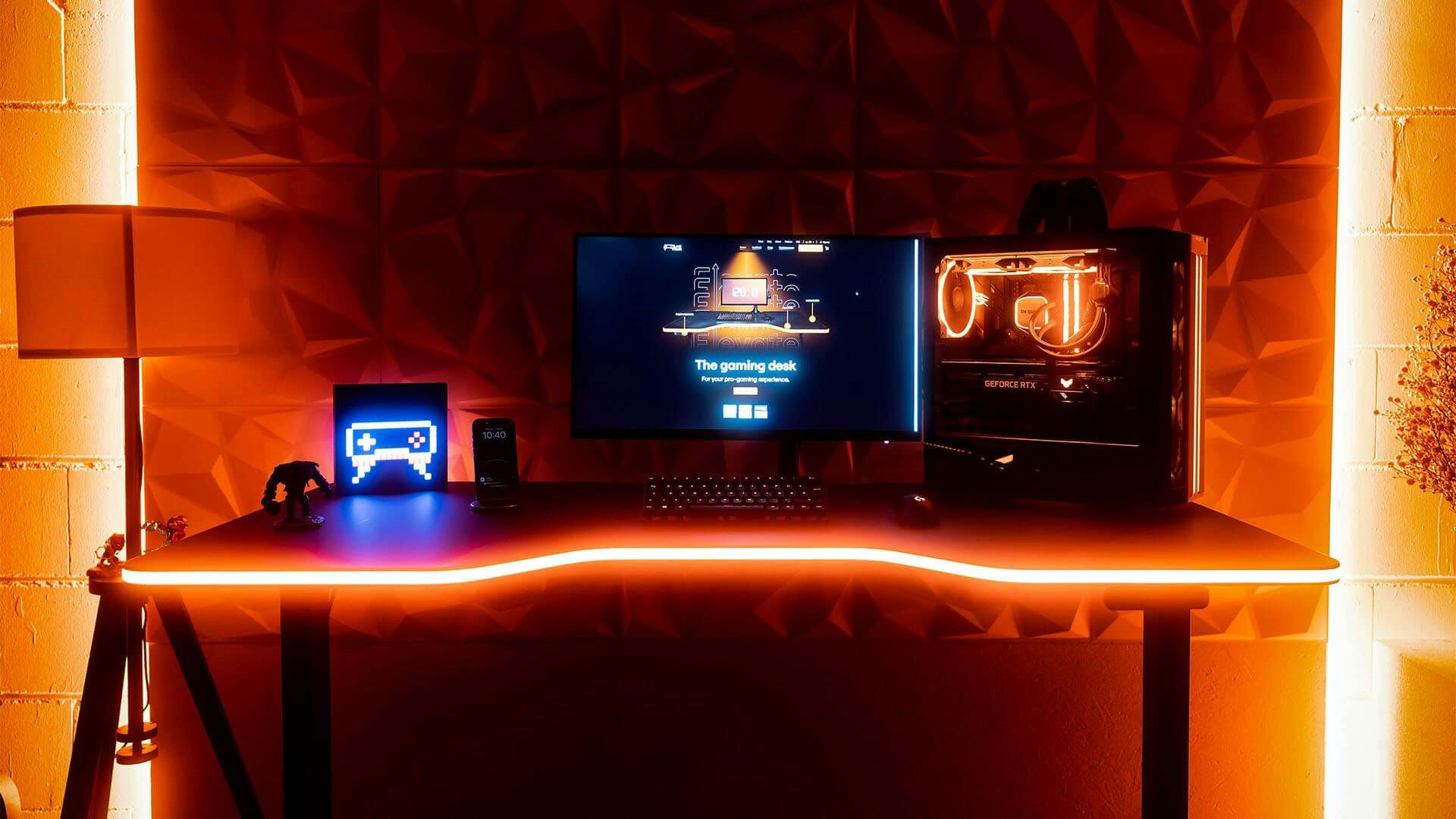
As the gaming industry continues to evolve, the significance of RGB lighting is poised to expand even further. Emerging technologies such as artificial intelligence (AI) and machine learning are expected to revolutionize the way RGB lighting interacts with gaming environments. For instance, AI could allow for dynamic lighting adjustments based on in-game actions or player emotions, providing a more immersive experience.
Additionally, advancements in smart home technology suggest that RGB lighting may seamlessly integrate with other devices. Imagine a gaming setup where lighting not only responds to the on-screen action but also syncs with other smart devices in a room, enhancing the overall atmosphere of gaming sessions. This multi-device integration could set a new standard for personalized gaming experiences, allowing users to create specific moods tailored to various gaming scenarios.
Furthermore, VR and AR technologies are likely to influence the future direction of RGB lighting. As these immersive platforms gain traction, lighting elements can enhance the spatial experience. By providing spatial awareness through lighting cues, RGB technology can contribute significantly to the user’s perception of depth and realism in virtual environments.
Moreover, the aesthetic appeal of RGB lighting will also evolve with changing trends in gaming culture. As more gamers prioritize aesthetics in their setups, manufacturers are likely to innovate with unique lighting patterns, colors, and configurations, moving beyond mere RGB hues to create intricate, programmable light displays that serve as both decoration and functional game elements.
Overall, the future of RGB lighting in gaming looks promising. As technology continues to advance, both the functionality and artistic expressions of RGB will undoubtedly enhance gameplay, fostering deeper connections between players and their virtual experiences.