


Hall Effect keyboard switches represent a significant advancement in typing technology, leveraging magnetic field principles for performance enhancements. Unlike traditional mechanical switches, which rely on physical contact between metal components, Hall Effect switches operate through magnetic fields, leading to contactless activation. This fundamental difference results in several benefits, particularly with regard to durability and responsiveness.
Traditional mechanical switches, while popular for their tactile feedback and durability, can suffer from wear and tear over time due to physical interactions. Membrane switches, on the other hand, often provide a quieter experience but tend to be less durable and responsive. In contrast, Hall Effect switches mitigate wear by eliminating physical contact, allowing for an extended lifespan and consistent performance even after prolonged use.
The mechanism of Hall Effect switches involves the use of a small magnet placed within the switch, alongside Hall sensors that detect the magnetic field. When a key is pressed, the distance between the magnet and the sensor changes, triggering a response without any actual movement of the contact points. This innovative design not only enhances durability but also allows for customizable actuation points, catering to the diverse preferences of users, from gamers seeking rapid response times to typists desiring tactile feedback.
As keyboard technology evolves, the exploration of Hall Effect switches becomes essential for consumers and industry professionals alike. Understanding their unique features and advantages can inform choices when selecting keyboards, particularly for those seeking high-performance typing solutions. Additionally, the growing popularity of Hall Effect switches signals a shift in the future of typing technology, emphasizing the need for innovation and adaptation in product design.
How Hall Effect Switches Work
Hall Effect switches represent a significant advancement in typing technology, primarily characterized by their unique operating mechanism that relies on magnetic fields. The core of Hall Effect switches is the Hall effect sensor, a semiconductor device that responds to changes in magnetic fields. This sensor is strategically located within the switch mechanism, allowing it to detect magnetic flux as the key is pressed. When a key is activated, a magnet attached to the keycap moves closer to the Hall effect sensor, generating a measurable voltage change that signals the switch has been activated.
Unlike traditional mechanical switches, which often rely on physical movement and contact to complete a circuit, Hall Effect switches utilize a non-contact mechanism. This results in several advantages: for instance, reduced wear and tear due to the absence of metal contact points, which typically degrade over time. Moreover, the absence of physical contact can enhance typing longevity, making Hall Effect switches a more durable option for heavy users.
Hall Effect switches also offer enhanced precision and responsiveness, which can significantly improve the overall typing experience. The activation point can be finely tuned, enabling users to enjoy custom feedback levels according to their preferences. Compared to other types of switches, such as rubber dome and mechanical variants, Hall Effect switches deliver a more consistent output without the variability introduced by physical degradation or environmental factors.
In addition, the integration of these switches in various applications, from gaming keyboards to industrial controllers, speaks to their versatility. As the industry evolves, the continued adoption of Hall Effect technology may redefine typical user expectations regarding performance and reliability in typing devices.
Advantages of Hall Effect Keyboard Switches
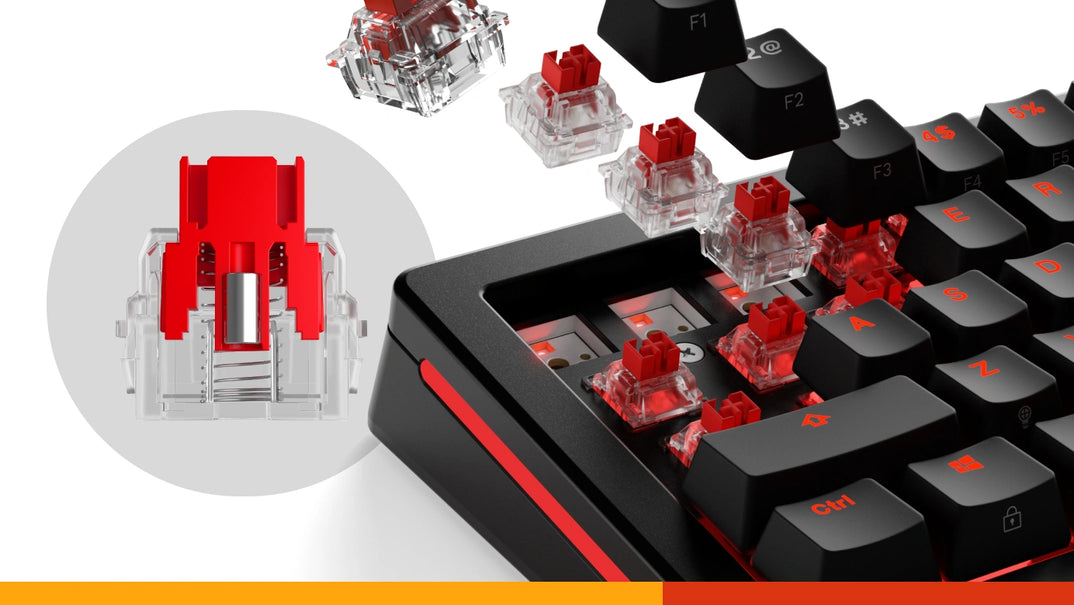
Hall Effect keyboard switches are gaining recognition in the realm of typing technology due to their numerous advantages. One principal benefit is their impressive lifespan. Unlike traditional mechanical switches, which may begin to fail after a few million keystrokes, Hall Effect switches utilize magnetic sensing technology that enables them to last significantly longer—often exceeding 50 million keystrokes. This longevity is particularly advantageous for both gamers and professionals who rely on consistent performance in high-usage scenarios.
In addition to their durability, Hall Effect switches are known for their performance consistency. The lack of physical contact within the switch mechanism means there is minimal wear as a result of repeated use. This ensures that the tactile feedback and actuation force remain steady over time, providing users with a reliable typing experience without the degradation typically seen in other switch types. The precision of Hall Effect technology also leads to swift actuation times, which can greatly benefit gamers seeking quick responses during gameplay.
Furthermore, Hall Effect keyboard switches exhibit resistance to environmental factors such as dirt and moisture. This makes them well-suited for a variety of applications including gaming, office environments, and even outdoor usage. The robustness against wear and tear ensures that user input remains accurate and responsive, leading to improved productivity and user satisfaction. Overall, the combination of longevity, consistent performance, and environmental resilience positions Hall Effect switches as a future-forward choice for those in search of advanced typing technology.
Applications of Hall Effect Switches
The integration of Hall Effect switches extends beyond traditional keyboard usage, penetrating various sectors, including automotive, industrial, and consumer electronics. The nonlinear behavior of Hall Effect sensors, which react to magnetic fields, allows them to be applied in diverse applications that require precision and reliability.
In the automotive industry, Hall Effect switches are pivotal in improving vehicle functionalities. They are commonly used in applications such as throttle controls, brake light activation, and position sensing for gear shifters. For instance, many modern electric vehicles employ Hall Effect technology to determine accelerator pedal position, resulting in enhanced responsiveness and improved energy efficiency.
Throughout industrial settings, these sensors are vital for automation and control systems. They are known for their long lifespan and sturdiness, which makes them ideal for harsh environments. Many machinery systems utilize Hall Effect sensors for detecting speed and position of moving components, thus facilitating smooth operation and enhancing overall productivity. Robotics systems, conveyor belts, and assembly lines often integrate these switches to ensure accurate movement and positioning.
Consumer electronics also benefit significantly from Hall Effect switches. Devices such as smartphones, laptops, and tablets often incorporate this technology for functions like screen rotation and lid detection in laptops. This facilitates power management by allowing the device to enter sleep mode when the lid is closed or adjust the screen display based on its orientation.
In conclusion, the versatility of Hall Effect switches highlights their growing significance across multiple sectors. As technology advances, the adoption of Hall Effect switches is likely to expand, providing innovative solutions to challenges in various applications, ensuring enhanced performance and reliability.
Comparison: Hall Effect vs. Mechanical and Membrane Switches
When evaluating keyboard technology, Hall Effect switches stand out against traditional mechanical and membrane switches. Each of these types has distinct characteristics that cater to different user preferences and requirements.
Mechanical switches are known for their tactile feedback and audible click, making them suitable for typists and gamers seeking responsiveness and precision. However, their build can result in a higher cost, and some users may find them noisy in shared environments. Mechanical switches also have varying actuation points depending on the brand, which can impact the overall typing experience.
On the other hand, membrane switches offer a more cost-effective solution. They consist of higher-density rubber or silicone materials that provide a softer, quieter typing experience. However, they do lack the tactile feedback that many users prefer, which can affect typing speed and accuracy over time. Furthermore, membrane keyboards are generally less durable, as they wear out more quickly than their mechanical counterparts.
Hall Effect switches blend the advantages of both types, featuring a contactless design that enhances durability and responsiveness. They operate based on magnetic fields, providing a smooth, consistent keystroke with an actuation point that mimics the tactile nature of mechanical switches. This technology greatly reduces the wear associated with traditional contacts, yielding a longer lifespan. While Hall Effect switches can be more expensive than membrane options, their durability and unique key feel may justify the higher price for dedicated users.
In conclusion, the choice between Hall Effect, mechanical, and membrane switches depends on individual priorities, whether that’s typing experience, durability, cost, or suitability for specific use cases. Understanding the strengths and weaknesses of each technology is essential for making an informed decision in keyboard selection.
The Future of Hall Effect Technology in Keyboards
The Hall Effect technology has emerged as a pivotal innovation in keyboard switches, steering the trend towards enhanced typing experiences. As users increasingly demand precision and responsiveness, the integration of Hall Effect switches is likely to accelerate within the keyboard industry. This technology, which utilizes magnetic sensors to detect keystrokes without physical contact, offers several advantages that cater to evolving user preferences.
One trend set to shape the future of Hall Effect keyboards is customization. Users now appreciate personalized experiences, and manufacturers are acknowledging this shift. Advances in software can allow users to modify actuation points and key functionalities independently. This adaptability may contribute to an expanded market presence, making Hall Effect switches a preferred choice among gamers and professionals alike.
Moreover, as the demand for sustainability rises, Hall Effect technology may find favor due to its durability and long lifespan. Unlike traditional mechanical switches, which can degrade over time, Hall Effect switches offer reliable performance that extends keyboard lifespans. This longevity aligns with an increasing consumer inclination towards eco-friendly products, prompting manufacturers to consider the environmental impacts of their designs.
As we look ahead, emerging innovations could further refine Hall Effect technology. Enhanced sensitivity and improved response times are areas of ongoing research. Manufacturers might also experiment with materials and designs to make keyboards more visually appealing while retaining functional integrity. With these advancements, Hall Effect switches could become the standard in the market, driving the next wave of typing technology.
In conclusion, the future of Hall Effect technology in keyboards appears bright, marked by user-centric innovations and an emphasis on sustainability. This evolution is poised to redefine typing experiences across various applications, making Hall Effect switches a cornerstone in the keyboard industry for years to come.
User Experience and Feedback
The introduction of Hall Effect keyboard switches has been met with considerable enthusiasm and intrigue among users spanning different demographics. Gamers, typists, and everyday users have all shared their experiences, shedding light on the practical application of this innovative technology in their daily activities.
For many gamers, the promise of enhanced performance has been a major attraction. Users have reported that Hall Effect switches provide a much faster response time compared to traditional mechanical switches. This capability is especially appreciated in competitive gaming, where speed can be the difference between winning and losing. Gamers have commented on the tactile feedback and smooth keystrokes, which contribute to an overall more immersive experience. Moreover, the durability of Hall Effect switches, boasting a longer lifespan than regular switches, has been a recurring point of praise, reassuring users of the longevity of their investment.
On the other hand, typists have echoed similar sentiments, with many remarking on the quieter operation of Hall Effect keyboards. The lack of audible clicks, often associated with other switch types, has allowed for a more conducive typing environment, especially in shared spaces. Feedback regarding key travel and resistance has also been largely positive. Users highlight that this technology offers a satisfying balance between firmness and comfort, which can significantly reduce finger fatigue during extended typing sessions.
However, not all feedback has been entirely favorable. Some users have voiced concerns regarding the initial cost of Hall Effect keyboards, which tends to be higher than traditional models. Additionally, a few have described a learning curve, noting that adapting to the unique feel of the switches took time. Overall, these insights illustrate a growing appreciation for Hall Effect keyboard technology while also acknowledging areas for improvement.
Market Availability and Brands Offering Hall Effect Keyboards
The introduction of Hall Effect keyboard switches has sparked significant interest among both consumers and manufacturers, resulting in an expanding market of these innovative typing devices. A diverse assortment of brands currently stand at the forefront, producing keyboards that utilize this advanced technology, each showcasing unique features, aesthetic designs, and varying price ranges.
One of the leading brands in this niche is SteelSeries, renowned for its commitment to quality and performance. Their models, such as the SteelSeries Apex Pro, utilize Hall Effect switches to provide customizable actuation points, allowing users to optimize their typing experience based on personal preferences. Prices for these keyboards typically start around $199, providing robust features suitable for both gaming and professional usage.
Similarly, Wooting has gained recognition for its unique analog keyboards that integrate Hall Effect switches, giving gamers a truly immersive experience. The Wooting One and Wooting 60HE are popular models within the gaming community, offering customizable RGB lighting and a variety of switch configurations. The price range for Wooting keyboards ranges from approximately $150 to $200, depending on the model and features.
Another noteworthy contender is Keychron, which has successfully incorporated Hall Effect technology into its selection of mechanical keyboards. The Keychron Q1, a customizable and compact option, demonstrates the blend of modern design and innovative technology, appealing to both casual typists and dedicated gamers alike. Prices for Keychron keyboards start at a reasonable $85, making them accessible for a wider audience.
In summary, the market for Hall Effect keyboards is thriving, with several reputable brands offering a diverse range of products to cater to various preferences and budgets. Whether for gaming or professional tasks, consumers can explore several models equipped with Hall Effect switches to enhance their overall typing experience.
Conclusion and Final Thoughts
In recent years, Hall Effect keyboard switches have gained significant attention for their innovative design and enhanced performance. These switches differentiate themselves from traditional mechanical and membrane switches through their reliance on magnetic fields to detect keypresses. As a result, they offer several advantages, including improved durability, precision, and faster response times, making them an appealing choice for both casual users and professionals.
Throughout our exploration of Hall Effect technology, we have identified key characteristics that set these switches apart from their counterparts. Their resistance to wear and tear makes them particularly suitable for heavy typing and gaming applications, as they can withstand millions of key presses without degrading performance. Additionally, the unique nature of Hall Effect switches means they can provide a more consistent typing experience, promoting user comfort and efficiency.
As we delve into the future of typing technology, the impact of Hall Effect keyboard switches cannot be overstated. It is clear that this technology has the potential to revolutionize how we interact with our computers and digital devices. Consumers looking for durability and responsiveness in their keyboards should consider investing in models equipped with Hall Effect switches. The emergence of such advanced technology in everyday computing devices raises intriguing possibilities for enhancements in usability and ergonomics.
We invite readers to reflect on the integration of technologies like Hall Effect switches within their own workflows and consider how such innovations can elevate their typing experience. As emerging technologies continue to shape our interactions with devices, staying informed about these advancements is paramount. Embrace the potential of Hall Effect keyboard switches for your next keyboard purchase, and join the conversation on how such innovations are transforming the realm of productivity and efficiency.