


Mechanical keyboard switches are the fundamental components that determine the feel, responsiveness, and durability of a keyboard. They consist of several parts, including a housing, a spring, and a stem that acts as the mechanism for registering key presses. Unlike their membrane or rubber dome counterparts, mechanical switches utilize individual mechanical components for each key, which leads to a more tactile and precise gaming experience.
The operation of mechanical switches is based on the principle of physical contact. When a key is pressed, the stem of the switch moves downward, compressing the spring until it reaches the point of actuation. This tactile feedback can significantly enhance a gamer’s performance, especially in fast-paced first-person shooter (FPS) games where every millisecond counts. The ability to feel when a key has been actuated can help players react quicker and make more accurate movements, providing a competitive edge.
In the realm of gaming, particularly in FPS titles that demand rapid and precise inputs, the choice of mechanical switch is paramount. Different types of switches offer varying characteristics such as actuation force, tactile feedback, and sound, all of which can influence gameplay styles. For instance, linear switches provide a smooth typing experience ideal for fast-paced gaming, while tactile switches offer a noticeable bump that helps in confirming key presses without taking unnecessary attention away from the game. Additionally, the audible click of some switches can serve as an auditory cue for some players.
Understanding the nuances of mechanical keyboard switches is essential for gamers seeking to optimize their performance. The switch type can impact not only gaming effectiveness but also comfort during lengthy gaming sessions. As the variety of mechanical switches continues to grow, the importance of selecting the right one becomes more critical, ultimately shaping the overall user experience.
Understanding FPS Games and Their Requirements
First-person shooter (FPS) games are a genre that demand exceptional performance from both the player and their equipment. Unlike other gaming genres, FPS games require quick reflexes, precise aiming, and rapid decision-making, which are critical to achieving success in competitive environments. Given these demands, the choice of peripheral devices, particularly keyboards, plays a significant role in a player’s overall effectiveness.
One of the primary requirements of FPS games is quick response times. A mechanical keyboard equipped with high-quality switches offers a much faster actuation compared to standard membrane keyboards, enabling gamers to input commands with minimal latency. This characteristic is vital in FPS scenarios where fractions of a second can determine the outcome of a firefight. Moreover, gamers can benefit from keys that react quickly and provide tactile feedback, allowing for more assured keystrokes in high-pressure situations.
Precision is another essential factor in FPS gameplay. Players need to execute complex moves efficiently while minimizing errors, such as unintentional key presses. Mechanical keyboards, particularly those with linear or tactile switches, cater to this need with their distinct feel and actuation force. This provides players with the confidence to execute critical actions like aiming, jumping, or reloading without delay.
Durability also stands as a crucial aspect in the realm of gaming keyboards. With countless hours of gameplay, a mechanical keyboard’s robustness is paramount. The mechanical switches are designed for longevity, often rated for tens of millions of keystrokes, ensuring that they can withstand the rigorous demands of competitive FPS gaming.
In essence, the unique requirements of FPS games emphasize the importance of selecting a mechanical keyboard equipped with appropriate switches that enhance response time, precision, and durability. This, in turn, fosters an environment where players can maximize their potential and achieve greater success in their gameplay.
Types of Mechanical Keyboard Switches
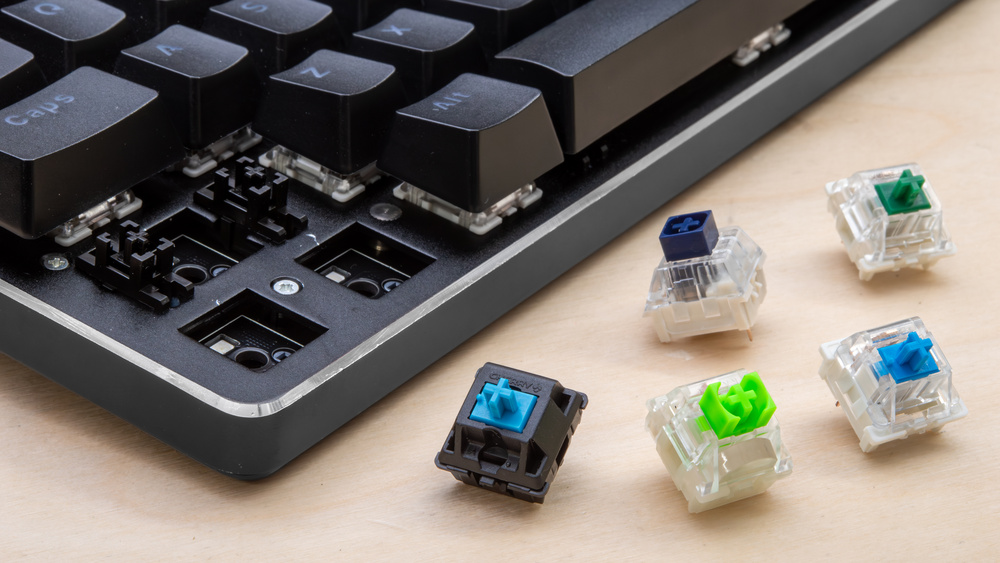
Mechanical keyboard switches are often categorized into three primary types: linear, tactile, and clicky. Each of these switch types offers unique characteristics that can significantly influence the gaming experience, particularly in fast-paced first-person shooter (FPS) games.
Linear switches are known for their smooth and consistent key presses. They do not provide any tactile feedback or an audible click—offering a more straightforward typing experience. This type is often preferred by gamers who require quick and uninterrupted key presses, as they allow for faster actuation without the resistance that can be felt in other types of switches. For FPS gaming, this smooth action can lead to quicker reactions and improved accuracy during intense gameplay.
Tactile switches, on the other hand, provide a noticeable bump at the actuation point, enhancing the feel of each keystroke. This tactile feedback can be advantageous in gaming scenarios where knowing the exact moment a key has been actuated can assist in timing actions more effectively. Players who appreciate physical feedback while typing or gaming may prefer tactile switches, as they offer a balance between responsiveness and the enjoyable tactile sensation.
Lastly, clicky switches combine a tactile bump with an audible click sound when a key is actuated. This design provides visual, audible, and tactile feedback, which some gamers find satisfying and helpful for ensuring accurate key presses during gameplay. However, the noise generated by clicky switches may not be ideal for all environments, particularly in shared spaces where sound can be disruptive.
Understanding the differences between these mechanical switch types is crucial for gamers seeking to enhance their performance in FPS gaming. Choosing the right switch can lead to improved reflexes and a more enjoyable experience overall.
Key Characteristics of FPS-Friendly Switches
When it comes to FPS gaming, the choice of mechanical keyboard switches plays a crucial role in delivering high performance. Certain key characteristics make some switches more suitable for fast-paced first-person shooter games. One of the primary features to consider is the actuation force, which refers to the amount of force required to press a key and register an input. A switch with a lower actuation force allows for quicker key presses, enabling players to react faster in competitive scenarios. Typically, switches that require between 45g to 55g are favored for FPS gaming.
Another important factor is travel distance, which is the distance a key must move before it is registered. Switches with shorter travel distances allow for quicker actions, as players can press keys down and release them faster. Linear switches are often preferred for their minimal resistance and shorter travel, as they facilitate rapid consecutive keystrokes without tactile feedback interruption.
Response time is also a significant characteristic in mechanical keyboard switches for FPS gaming. A switch that achieves a rapid response time can better translate a player’s inputs into on-screen actions, providing a vital edge in high-stakes matches. The best FPS switches often boast a response time of 1 ms or less, ensuring that every keystroke is registered almost instantaneously.
Durability is yet another essential attribute, as gaming keyboards should withstand extensive use. Switches rated for over 50 million key presses ensure longevity, catering to the needs of avid gamers who play for extended hours. In summary, for gaming enthusiasts, especially in FPS genres, selecting switches with optimal actuation force, minimal travel distance, fast response times, and high durability can significantly enhance overall gameplay experience.
Popular Mechanical Keyboard Switches for FPS Games
Mechanical keyboards are favored by FPS gamers for their tactile feedback and enhanced responsiveness, making the choice of switch critical for performance. Various types of mechanical switches cater to different gaming preferences, each offering distinct strengths and weaknesses.
One of the most popular options is the Cherry MX Red switch. Known for its linear action, it requires minimal force to actuate, allowing for rapid key presses without a tactile bump or audible click. This smooth operation can facilitate quicker reactions in high-stakes FPS scenarios. However, some gamers may find that the lack of tactile feedback leads to over- or under-pressing keys, which could be detrimental during intense gameplay.
In contrast, Cherry MX Brown switches provide a tactile experience without being overly noisy. They strike a balance between being responsive and offering feedback, making them a suitable option for those who prefer a more traditional typing experience alongside gaming. The tactile bump can help prevent accidental key presses, although it may not be as fast as the linear reds.
For those seeking an auditory experience, Cherry MX Blue switches might be ideal. Featuring a distinct click when a key is actuated, they can offer satisfying feedback while typing or gaming. The downside is the noise produced, which may be disruptive in shared environments, and their comparatively higher actuation force can slow down reaction times in competitive settings.
Switches from other brands, such as Razer Green and Logitech Romer-G, also exist, often tailored for FPS gamers with particular emphasis on durability and performance. Understanding these popular switches’ characteristics is vital for gamers to make an informed choice based on their gaming style and personal preferences.
Comparative Analysis: Cherry MX vs. Alternatives
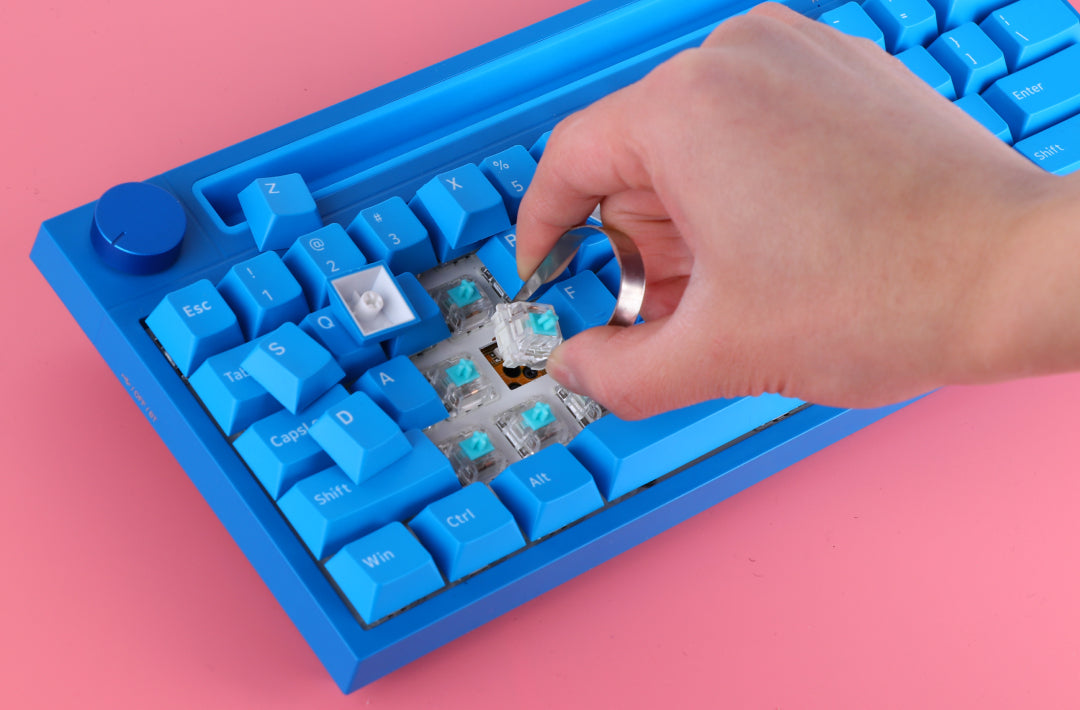
When it comes to selecting a mechanical keyboard for first-person shooter (FPS) gaming, Cherry MX switches have long been a standard choice. Famously recognized for their reliability and tactile feedback, Cherry MX switches come in various types, such as Red, Brown, and Blue, each catering to different preferences. The Red variant, known for its linear response, garners particular favor among gamers seeking quick and uninterrupted keystrokes essential for achieving rapid fire in competitive FPS scenarios.
However, competition has intensified with the emergence of alternative switches from brands like Razer, Kailh, and Romer-G. Razer’s Green and Yellow switches offer distinct tactile and linear experiences, respectively, while providing durable performance. Many gamers appreciate Razer switches for their customizability and smooth actuation, which can enhance gameplay responsiveness, making them a worthy consideration compared to Cherry MX alternatives.
Kailh switches, particularly the Box series, are engineered to provide dust and water resistance. Given their fast actuation and reduced key wobble, these switches can serve as a strong contender for FPS gaming. The Kailh Speed Silver switch, for example, is designed for rapid key presses, positioning it as an attractive option for competitive gamers who prioritize reaction time.
Romer-G switches, developed by Logitech, also feature a unique design. They are created with a focus on speed and durability, achieving a short actuation point that appeals to FPS players. The distinct advantages of Romer-G switches lie in their quiet operation and faster response, which can be particularly advantageous during immersive gaming sessions.
In examining these alternatives in comparison to Cherry MX switches, it is clear that there are numerous options available. Each switch type brings its own strengths and weaknesses, tailoring to varied gamer preferences. Ultimately, a thorough understanding of these mechanical switches can lead to an optimized FPS gaming experience, enabling players to select the switch that aligns best with their playing style.
User Preferences and Playing Styles
Choosing the right mechanical keyboard switch for FPS gaming is highly subjective and varies significantly based on individual preferences and gaming styles. Gamers have distinct requirements influenced by factors such as response time, tactile feedback, and actuation force. Each player’s playstyle can significantly alter the optimal choice of switches, making personal preference a key component in decision-making.
Firstly, the actuation point of a switch is crucial for FPS gaming. Some players prefer a light touch, favoring switches that require minimal force to actuate, such as Cherry MX Red or Speed Silver switches. These switches can facilitate rapid keystrokes, ideal for players engaged in fast-paced gaming scenarios where reaction time is critical. Conversely, other gamers may prefer a more tactile experience with switches that provide audible and physical feedback, such as Cherry MX Blue. This feedback can enhance the gaming experience but may slow down typing speed for some players.
Moreover, the sound level of the switches can also influence gamer satisfaction. Noisy switches like the Cherry MX Blue can be distracting in quiet environments or during LAN events, pushing some players to opt for quieter alternatives like Cherry MX Silent Red or Brown switches. The tactile characteristics of a switch—whether smooth, clicky, or tactile—also play a pivotal role in user satisfaction. It’s essential for players to try different switches to discover what feels comfortable.
Ultimately, conducting hands-on testing through visits to specialty stores, borrowing keyboards from friends, or investing in a switch tester can offer valuable insights. Engaging with the keyboard in a gaming context allows players to evaluate the performance of different switches, matching their personal preferences to their unique play styles. This tailored approach ensures that each gamer can find their perfect mechanical keyboard switch, aligning both comfort and performance to enhance their FPS gaming experience.
Recommendations from Professional Gamers
In the world of competitive first-person shooter (FPS) gaming, the choice of mechanical keyboard switches can profoundly affect performance and gameplay experience. Numerous professional gamers have commented on their preferred switches, providing insights that can guide both novice and seasoned players looking to optimize their setup.
One switch that frequently emerges as a favorite among FPS professionals is the Cherry MX Red. Renowned for its smooth linear response, it allows for quick keystrokes without the tactile bump found in other switches. This characteristic is essential in FPS games where quick reactions to in-game events can be the difference between victory and defeat. Players appreciate this switch for its lightweight actuation force, which supports rapid key presses.
Another popular option is the Razer Green switch, favored by those who enjoy a more tactile feedback. Many eSports professionals, such as members of top-tier teams, often choose this switch due to its responsiveness. The audible click provides not just satisfying tactile feedback but can also enhance typing speed, crucial for precise communication during high-stakes matches.
Additionally, some gamers opt for optical switches like those from SteelSeries. These switches provide incredible speed advantages thanks to their light-based actuation, offering a remarkably fast response time that can make a significant impact in high-paced games. The perception of reduced input lag has attracted attention from various FPS enthusiasts, marking them as worthy contenders in the switch debate.
Ultimately, the best mechanical switch for FPS gaming can vary from player to player. Personal preferences regarding actuation force, tactile feedback, and key travel distance should guide individuals in their choice. Professional gamers’ insights serve as a valuable resource, emphasizing the importance of testing different switch types to find the best fit for each user’s gaming style.
Conclusion and Final Thoughts
In the realm of FPS gaming, the choice of a mechanical keyboard switch plays an essential role in a player’s overall performance and experience. After exploring various switch types, it becomes evident that the selection of the right switch is subjective and largely depends on personal preference. Whether a gamer prefers the tactile feedback of a Brown switch, the rapid actuation of a Red switch, or the clicky response of a Blue switch, each option comes with its unique strengths and weaknesses.
It is crucial to consider factors such as actuation force, travel distance, and sound profile, which can significantly affect gameplay. For instance, linear switches like the Cherry MX Red can provide quicker key presses, making them ideal for fast-paced games, while tactile switches like the Cherry MX Brown can enhance precision and comfort during extended play sessions. Additionally, competitive gamers might lean towards switches that offer a more responsive feel to facilitate rapid maneuvering and shooting.
Ultimately, the best approach is to test various mechanical switches firsthand. Visiting local retailers or participating in gaming expos can provide hands-on experiences that help clarify individual preferences. Engaging with the gaming community through forums or discussion boards can also yield insights and recommendations based on collective experiences with different switch types.
The journey to finding the optimal mechanical keyboard switch is highly personal and should be focused on what feels right for each player. By considering these factors, gamers can make informed decisions that suit their playing style and enhance their overall gaming performance.