


Gaming mice are specialized input devices designed to improve the gaming experience through enhanced performance and usability, setting them apart from standard computer mice. These advanced peripherals offer various features tailored to meet the specific needs of gamers, making them an essential tool for competitive gaming and casual play alike. The primary purpose of a gaming mouse is to provide precise control and responsiveness during gameplay, enabling users to react swiftly and accurately to in-game scenarios.
One of the key distinctions between gaming mice and traditional mice is the sensitivity, often measured in DPI (dots per inch). Gaming mice typically support a wide range of DPI settings, allowing users to adjust sensitivity on-the-fly based on their preferences or the demands of a particular game. This feature is particularly advantageous for first-person shooter games, where accuracy is crucial. In addition to DPI, many gaming mice incorporate advanced optical sensors, which facilitate better tracking and responsiveness, leading to a competitive edge.
Moreover, gaming mice often come equipped with customizable buttons and programmable macros, allowing users to configure their devices to suit their gaming style. This multifunctionality enables gamers to execute complex commands or actions with a single click, enhancing gameplay efficiency. Ergonomics also plays a significant role, as most gaming mice are designed with unique shapes and materials to provide comfort during extended gaming sessions. Overall, these features contribute to the high price point of some gaming mice, as they are engineered with precision and functionality to cater to the demands of dedicated gamers.
The Importance of High Precision and Sensitivity
In the realm of competitive gaming, having a mouse that can deliver high precision and sensitivity is often deemed essential. One of the key specifications that gamers should be attentive to is DPI, or dots per inch. This measurement signifies how far the cursor will move on-screen in relation to the movement of the mouse. For instance, a mouse with 1600 DPI means that moving the mouse one inch will move the cursor 1600 pixels on the screen. Generally, higher DPI settings allow for more responsiveness, facilitating rapid turns and aiming accuracy in fast-paced gaming environments.
Furthermore, the polling rate—the frequency at which the mouse reports its position to a computer—is another critical specification. Measured in Hertz (Hz), a higher polling rate signifies that the mouse is refreshing its position information more frequently. For instance, a mouse with a polling rate of 1000 Hz reports its position 1000 times per second. This is particularly important in action games where timing is crucial, as a higher polling rate can yield a smoother and more responsive gaming experience.
Players engaged in first-person shooters or real-time strategy games require impeccable accuracy and consistency. A high-precision gaming mouse, equipped with adjustable DPI settings and a high polling rate, allows players to customize their control according to personal preference and gameplay style. The ability to achieve swift, precise movements can significantly impact performance, providing users with the agility to respond quickly and efficiently in demanding situations. Investing in a high-end gaming mouse not only emphasizes the importance of these specifications but also enhances overall gaming proficiency.
Ergonomics and Comfort Features
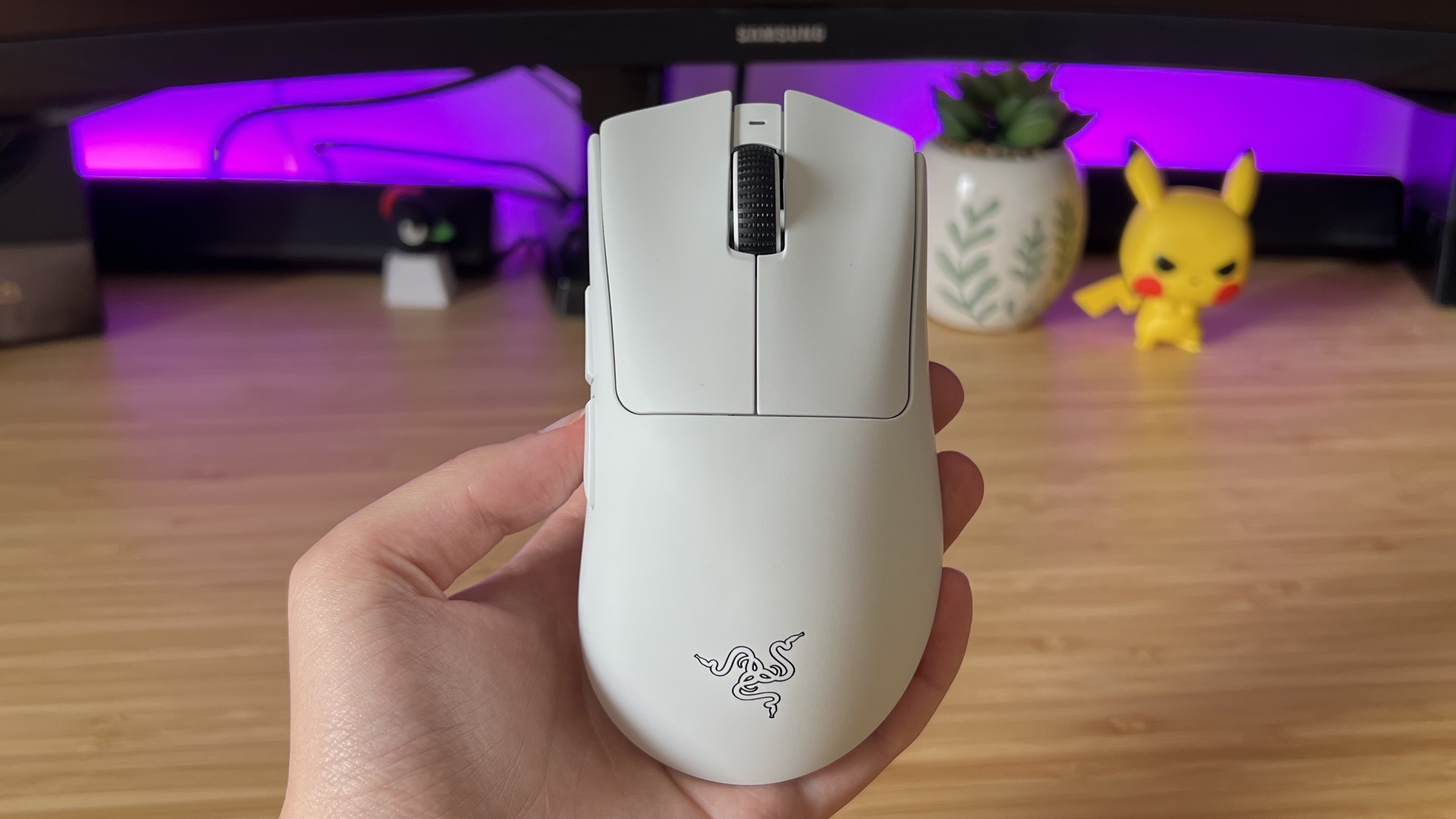
When examining the price of high-end gaming mice, one must consider the crucial role that ergonomics and comfort features play in their design. These gaming peripherals are often built to cater specifically to prolonged use, ensuring that gamers can maintain optimal performance without discomfort or fatigue. The emphasis on user comfort begins with the shape of the mouse, which is meticulously crafted to fit various grip styles. Gamers typically adopt one of three main grips: palm, claw, or fingertip. High-end gaming mice are designed to accommodate all these ergonomic preferences, enhancing the user experience significantly.
Another important factor involves weight adjustment mechanisms. Many premium gaming mice allow users to customize the weight of the device, providing an additional layer of comfort. The ability to fine-tune the weight can affect how the mouse feels during extended sessions and can ultimately influence one’s overall gaming performance. Lightweight models are favored for speed and quick reaction times, while heavier options may deliver more control, appealing to different gaming styles.
Moreover, the materials used in manufacturing these gaming mice also contribute to user comfort. High-quality models typically employ soft-touch coatings, silicone side grips, and other premium materials that not only enhance grip but also feel pleasant against the skin. These features decrease the risk of slipping and provide a more luxurious user experience.
Ultimately, the combination of thoughtful designs, customizable weight settings, and high-quality materials illustrates why high-end gaming mice carry a higher price tag. These advanced ergonomic considerations aim to foster a long-lasting relationship between the gamer and their gear, allowing for more enjoyable and less physically taxing gaming sessions over time.
Customization and Software Integration
High-end gaming mice, often priced at over $150, provide extensive customization options that significantly enhance user experience and gameplay efficiency. One of the primary features is the presence of programmable buttons. These buttons offer gamers the ability to create macros or shortcuts for specific actions or sequences, enabling faster responses during intense gaming scenarios. For instance, a first-person shooter player might program buttons to perform rapid shooting or quick weapon switching, which can be a game changer in competitive settings.
Moreover, the software that accompanies these gaming mice plays a crucial role in the overall functionality and personalization of the device. Each manufacturer typically offers a proprietary application that allows users to remap buttons, adjust sensitivity settings, and create different profiles for various games. With these applications, players can switch settings on-the-fly, ensuring that their mouse configuration is optimized for their current gaming session, whether it be a strategy game or a fast-paced action adventure.
The ability to tailor settings is not merely an enhancement; it represents a significant aspect of performance tuning for serious gamers. Many high-end mice feature adjustable DPI (dots per inch) settings, allowing users to fine-tune their cursor speed and accuracy across varying in-game scenarios. This level of precision can lead to improved aiming and overall control in gameplay, crucial elements in a multitude of gaming genres.
In conclusion, the advanced customization and robust software integration found in higher-priced gaming mice create a uniquely tailored gaming experience. This meticulous attention to detail allows for increased effectiveness during gameplay, catering to both casual players and professional competitors alike, justifying their elevated price point.
Build Quality and Durability
The construction of a gaming mouse plays a pivotal role in its overall performance and longevity. High-end gaming mice, often exceeding the price point of $150, typically employ superior materials compared to their budget counterparts. This attention to detail in material selection can significantly enhance the durability and functionality of the device, making it more appealing to gamers who engage in intensive usage over extended periods.
One of the primary materials used in premium gaming mice is high-grade plastic or even aluminum, aimed at ensuring both lightweight design and resilience against wear and tear. These materials are not only more robust but also resistant to scratches and other forms of damage that can occur during rigorous gaming sessions. In addition, the use of reinforced components, such as sturdy scroll wheels and high-quality switches, can dramatically extend the lifespan of the mouse.
Incorporating advanced technologies like customizable RGB lighting can also influence the build quality. While this feature may seem purely cosmetic, the integration of such technology requires careful engineering to ensure that the mouse remains functional without compromising on aesthetics. The inclusion of high-precision sensors can further improve the performance of the mouse, providing better tracking and responsiveness, which are fundamental for competitive gaming.
Moreover, premium gaming mice often undergo rigorous testing and quality control measures, ensuring that even under the most demanding conditions, they maintain their performance. This proactive approach to quality assurance diminishes the likelihood of malfunctions, ultimately leading to better user experience and satisfaction. Therefore, investing in a gaming mouse that costs over $150 often equates to a product that is built to last and provide reliable performance throughout its lifespan.
Brand Reputation and Community Trust
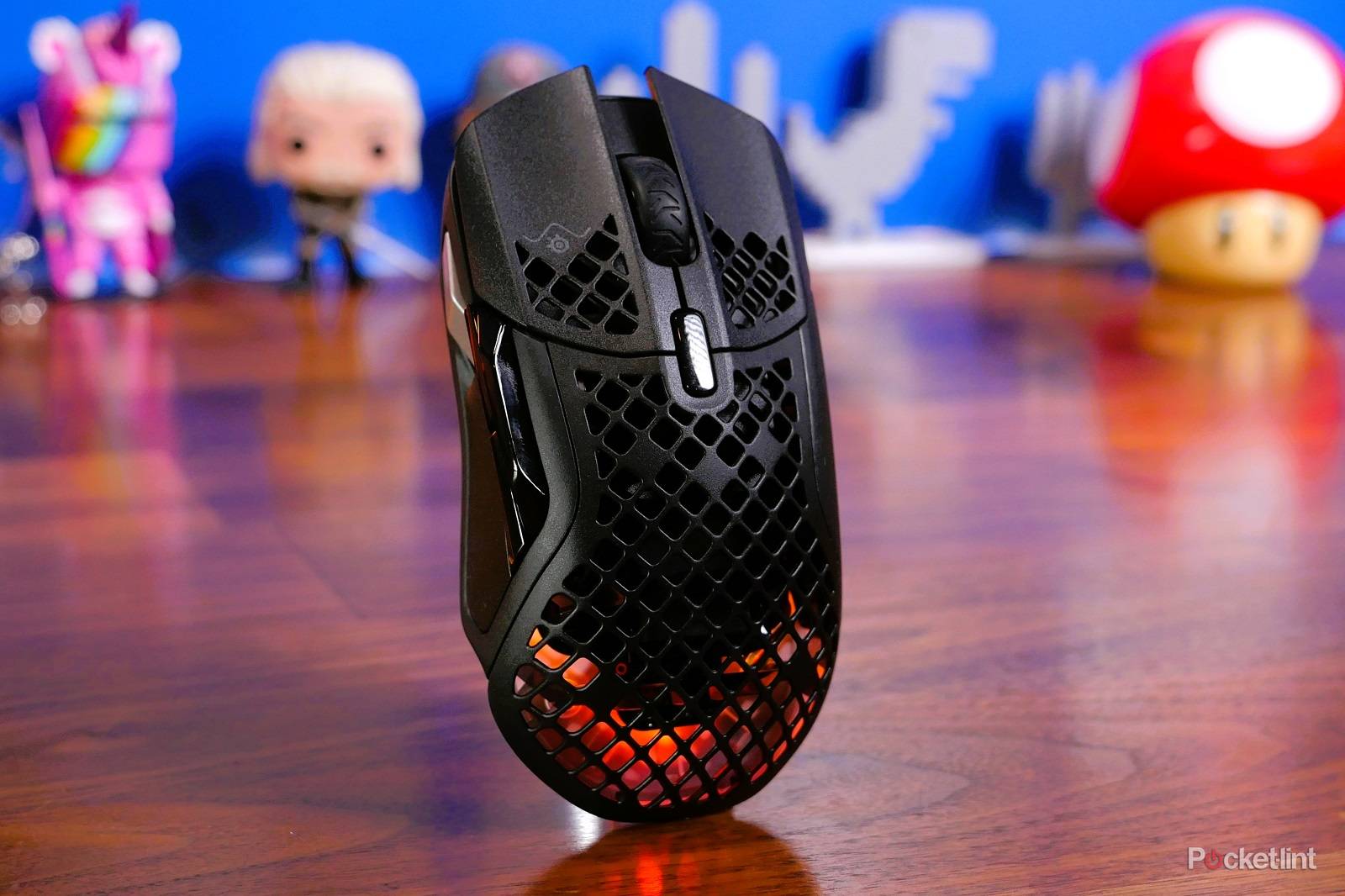
In the realm of gaming peripherals, particularly gaming mice, brand reputation plays a pivotal role in shaping consumer perceptions and influencing purchasing decisions. Established brands such as Logitech, Razer, and SteelSeries have cultivated strong identities over the years, which directly correlates with the pricing of their products. These brands leverage their long-standing market presence and proven track records of quality to justify the premium prices they charge for their higher-end gaming mice.
One of the significant factors contributing to brand loyalty is the consistent performance and reliability of these gaming devices. Gamers often seek out products that not only enhance their gameplay experience but also withstand the rigors of extended use. When a brand builds a reputation for producing durable, high-performance gaming mice, it fosters a sense of trust within the community. This trust translates into a willingness among consumers to invest in higher-priced offerings, as they believe they are purchasing a superior product.
Moreover, community reviews and testimonials play a crucial part in solidifying a brand’s reputation. Gamers frequently rely on the experiences of their peers when selecting gaming hardware. Positive reviews can significantly bolster a brand’s image, while negative feedback can deter potential buyers. As a result, established brands often invest heavily in community engagement and feedback loops, ensuring that they address concerns and enhance their products accordingly. This proactive approach reinforces community trust, which in turn allows these brands to maintain higher price points.
In conclusion, the interplay between brand reputation and community trust significantly impacts the pricing of gaming mice. Established brands effectively utilize their reputations and capitalize on community feedback to justify higher price tags, resulting in a market segment that corresponds with these premium offerings.
Innovative Features and Technological Advancements
The gaming peripheral market has evolved significantly over the years, with a plethora of advancements transforming basic devices into high-performance tools tailored for competitive gaming. One primary reason why some gaming mice exceed the $150 price point is the incorporation of cutting-edge technologies designed to enhance gameplay experiences. High-end gaming mice often feature adaptive sensors that provide exceptional precision and responsiveness. These sensors can adjust their DPI (dots per inch) settings on-the-fly, allowing gamers to switch between sensitivity levels seamlessly based on game requirements. This adaptability is crucial in high-stakes scenarios, where a mere fraction of a second can determine victory or defeat.
Furthermore, advancements in wireless technology have revolutionized the performance of gaming mice. Premium models now boast low-latency wireless connectivity that rivals their wired counterparts. This innovation eliminates lag, offering a more responsive and streamlined gaming experience. Leading manufacturers incorporate battery-efficient designs, ensuring extended usage without compromising on performance. Such technological contributions justify the higher price tag, particularly for gamers seeking reliability in competitive environments.
Another distinguishing feature among top-tier gaming mice is customizable RGB lighting, which not only enhances aesthetics but also provides functional purposes. Gamers can program lights to indicate various settings or notifications, adding another layer of interactivity to their gaming setup. This blend of form and function exemplifies how modern designs cater to the evolving preferences of gamers, focusing on both visual appeal and practical usability. Ultimately, the integration of these innovative features leads to higher manufacturing costs, reflecting the advanced engineering and research that goes into creating exceptional gaming mice for enthusiasts.
Market Demand and Target Audience
The gaming industry has experienced exponential growth over the past decade, leading to an increased demand for specialized gaming peripherals, including high-end gaming mice. This demand is significantly influenced by the demographic of gamers who typically invest in such products. These individuals often range from casual gamers to competitive esports players, who require equipment that can enhance their performance and elevate their gaming experience.
High-quality gaming mice are often marketed towards a niche audience that values precision, customization, and durability. These consumers are generally tech-savvy, seeking advanced features such as adjustable DPI settings, customizable buttons, and ergonomic designs to reduce fatigue during long gaming sessions. Furthermore, players in competitive environments place a premium on responsiveness and build quality, leading them to prefer mice that can withstand rigorous usage. As a result, manufacturers are targeting this demographic by creating products that align with their specific needs and preferences.
Additionally, a substantial psychological factor contributes to the market demand for premium gaming mice. Gamers often associate high price points with superior quality and performance. This perception creates a willingness to pay over $150 for a gaming mouse, as the investment is seen as a gateway to enhanced gaming capabilities and competitive advantages. Furthermore, manufacturers capitalize on this trend by employing robust marketing strategies that highlight the unique features and benefits of their high-end products, reinforcing the rationale behind the costs involved.
In summary, the dynamics of market demand surrounding high-end gaming mice are a function of the specific needs and preferences of target audiences. The alignment of product features with gamer expectations continues to drive the sales of these premium devices, ensuring a consistent growth trajectory in this segment of the market.
Conclusion
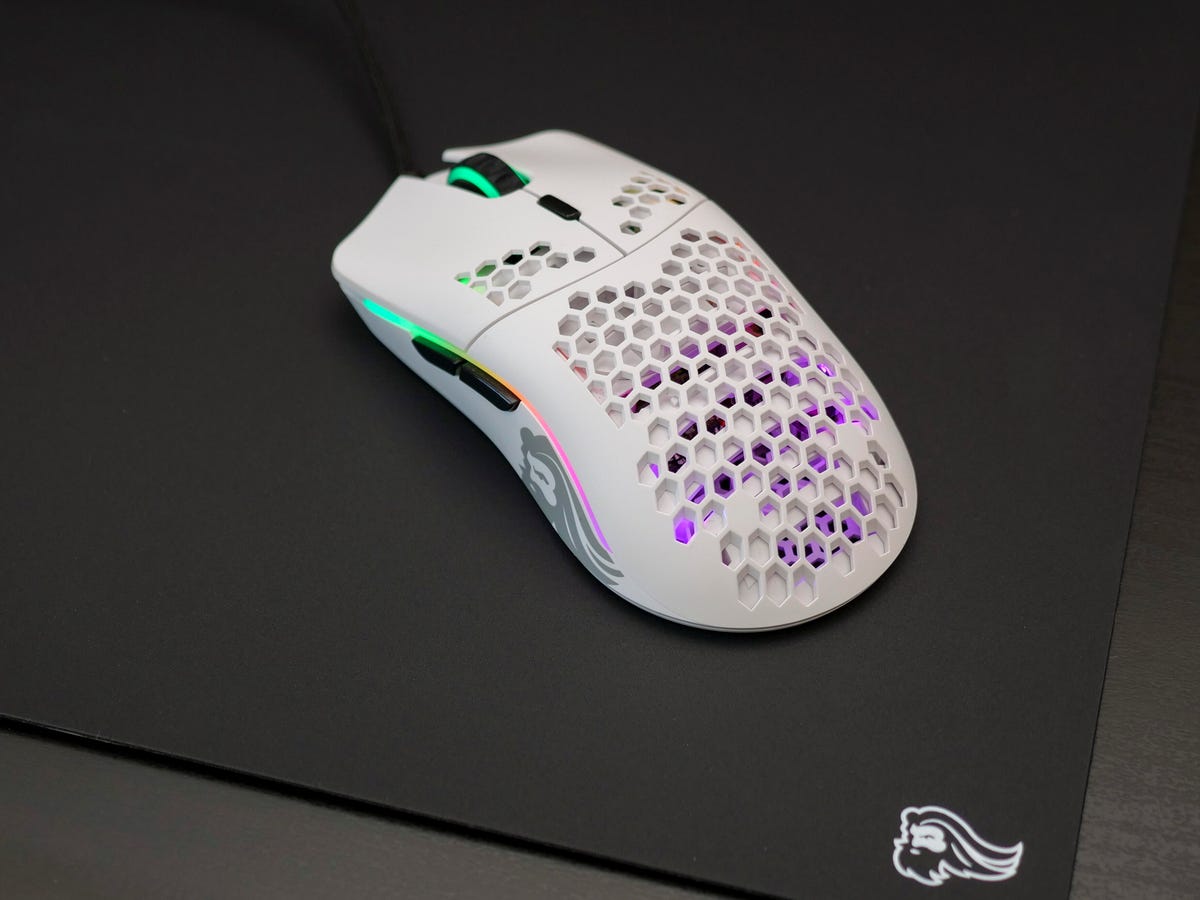
In reviewing the various aspects of gaming mice priced over $150, it becomes evident that these devices cater specifically to serious gamers who seek precision, durability, and enhanced gameplay experiences. The advanced technology integrated into high-end gaming mice, such as customizable optical sensors, adjustable DPI settings, and ergonomic designs, significantly contributes to performance improvements in competitive gaming scenarios.
Additionally, premium gaming mice often offer customizable features, including programmable buttons and RGB lighting options, allowing users to tailor their devices to their personal preferences and gaming styles. This level of customization not only enhances comfort during long gaming sessions but also improves the user’s overall efficiency and control, which can be crucial in high-stakes gaming environments.
Furthermore, the build quality of these gaming mice plays a pivotal role in their longevity and reliability. Many expensive models utilize high-quality materials that resist wear and tear, ensuring that they remain functional and effective over time. This durability is particularly beneficial for gamers who engage in extended play sessions and require equipment that can withstand the rigors of intense gameplay.
Ultimately, while a gaming mouse that costs over $150 may seem like a significant investment, the advantages it provides in terms of performance, comfort, and durability can justify the expense for dedicated gamers. A well-chosen gaming mouse can not only elevate a player’s skill and performance but also enhance the overall enjoyment of the gaming experience. Therefore, investing in a high-quality gaming mouse can be a strategic decision for those serious about improving their competitive edge.