


Keyboards are an integral part of our daily interaction with computers, and their construction plays a significant role in both functionality and user experience. The materials selected for keyboard cases can vary widely, with plastics and metals being the most common choices. While most keyboards are encased in plastic, which is lightweight and cost-effective, metal cases, particularly those made of aluminum, offer distinct advantages that enhance overall keyboard performance.
The primary purpose of a keyboard case—regardless of the material—is to protect the internal components, such as the circuit board and switches, from external damage and dust. A well-constructed keyboard case also contributes to the durability and longevity of the device. In addition to protection, the material used in the keyboard case can influence the sensory experience. For instance, metal cases often provide a more solid feel and can result in a different acoustics when typing, compared to their plastic counterparts.
Aluminum, as a material for keyboard construction, is noteworthy due to its unique properties. It is not only relatively lightweight but also highly resistant to corrosion. This resilience makes aluminum an attractive option for keyboard enthusiasts who seek longevity and aesthetic appeal. Furthermore, aluminum can be easily anodized or coated, allowing manufacturers to offer a variety of finishes and colors that enhance the visual appeal of the keyboard.
As we delve deeper into the world of keyboards, understanding the role materials play in construction will reveal why aluminum is often a favored choice among manufacturers and users alike. In conclusion, the combination of a keyboard’s casing material, its protective function, and its impact on user experience underscores the importance of thoughtful design in keyboard construction.
The Benefits of Aluminum Material
When it comes to keyboard construction, the choice of casing material plays a critical role in its performance and lifespan. Aluminum, a lightweight yet sturdy metal, offers several advantages that make it a preferred choice over traditional plastic alternatives. One of the key benefits of aluminum is its remarkable durability. Unlike plastic, which can crack or become brittle over time due to stress, aluminum maintains its structural integrity even under heavy use. This inherent resilience contributes to a keyboard’s ability to withstand daily wear and tear, making aluminum-cased keyboards ideal for both casual users and professionals.
Another significant advantage of aluminum is its resistance to various forms of damage. Aluminum surfaces are less susceptible to scratches, making them look newer for a longer period. Furthermore, the material has inherent properties that allow it to resist corrosion, which can be particularly important for users in humid or variable environments. This durability not only extends the keyboard’s life but also enhances the overall user experience, as the need for frequent replacements is reduced.
In addition to its physical attributes, aluminum adds an aesthetic quality that many users find appealing. The sleek, modern finish of aluminum keyboards provides a premium look that many plastic models cannot match. This visual appeal can help create a more sophisticated workspace, enhancing both functionality and style.
Additionally, aluminum can aid in heat dissipation, which can be beneficial during extended use sessions. Cooler operating temperatures can contribute to better performance of internal components, further enhancing the longevity of the keyboard. Overall, the advantages of using aluminum as a casing material for keyboards are significant, ensuring robust performance, durability, and an enhanced aesthetic appeal for users across multiple settings.
Aesthetic Appeal and Design Versatility
Aluminum keyboards have gained considerable popularity, especially among enthusiasts and professionals, due to their distinct aesthetic appeal and design versatility. One of the primary advantages of aluminum casings is their modern and sleek appearance, which enhances the overall visual impact of the keyboard. Unlike plastic alternatives, aluminum offers a premium look and feel that can elevate the design of any workstation or gaming setup.
The variety of finishes available for aluminum keyboards is another aspect that contributes to their appeal. Users can choose from brushed, anodized, or polished surfaces, allowing for a high degree of customization. This range of finishes not only satisfies different personal tastes but also complements various environments, from minimalist designs to more elaborate gaming rigs. The ability to select a finish that resonates with one’s personal aesthetic can significantly elevate the user experience.
Furthermore, the design versatility of aluminum cases extends beyond just their visual characteristics. They often come equipped with customizable keycaps, backlighting, and programmable features, enhancing their functionality. This customization capability enables casual users and aesthetic-conscious gamers or professionals to curate a keyboard that aligns with their specific needs and preferences. The interplay of visual appeal and functional design makes aluminum keyboards a preferred choice for individuals seeking a balance between form and function.
In conclusion, the aluminum casing of keyboards not only serves as a protective layer but also significantly contributes to their aesthetic value. With various finishes and design features available, these keyboards cater to diverse user preferences, merging visual charm with practicality, making them an attractive option in today’s market.
Weight and Stability Considerations
The choice of material used to construct a keyboard not only impacts its aesthetics but also significantly determines its performance and user experience. One of the most common materials employed in keyboard construction is aluminum, predominantly because of its unique balance of weight and stability. Unlike lighter materials such as plastic, aluminum has a substantial heft that contributes to the overall stability of the keyboard during intensive use.
When a keyboard is designed with an aluminum case, it provides a solid foundation that minimizes any potential movement or flexing during typing. This stability is particularly critical in competitive gaming or professional typing scenarios where precision and speed are paramount. If a keyboard is too lightweight, it may slide around the desk or bounce slightly with keystrokes, which can lead to missed inputs and a frustrating experience. Thus, the weight of aluminum serves to anchor the keyboard firmly in place, offering users a more reliable interface.
Moreover, the stability provided by aluminum cases enhances the tactile feedback experienced during key presses. Users often report a more satisfying typing experience with aluminum keyboards due to the reduced vibrations transmitted through the case. This tactile reassurance, combined with the weight of aluminum, allows for greater confidence when executing rapid key presses or engaging in complex typing tasks.
In essence, while lightweight keyboards may appeal to some users due to their portability, the weight of aluminum cases promotes superior stability and user experience. The combination of durability and the natural heft of aluminum makes it an optimal choice for individuals who prioritize performance in their typing instruments.
Thermal Management and Performance
Aluminum cases in keyboards are increasingly recognized for their effective thermal management and performance benefits, notably in high-demand scenarios. One of the primary advantages of aluminum is its excellent thermal conductivity, which allows it to dissipate heat more efficiently compared to other materials, such as plastic. This property is particularly important for users engaged in intensive tasks, such as gaming or professional software applications, which can lead to prolonged keyboard usage and associated heat buildup.
When keyboards are utilized for extended periods, the components within generate heat, potentially impacting their performance and the overall user experience. An aluminum housing helps mitigate this risk by promoting quicker heat dissipation away from critical components, such as switches and electronic circuits. By maintaining a lower operating temperature, users can enjoy a more stable typing experience without the discomfort that may arise from overheating.
Moreover, the superior heat management provided by aluminum cases contributes to longevity and reliability. Electronic devices, including keyboards, generally perform better and are less likely to fail when they operate within optimal temperature ranges. This aspect is vital not only for maintaining the efficacy of the keyboard but also for preserving the integrity of its components over time.
For those who may dedicate significant time to their keyboards—whether for work or leisure—the advantages of thermal management offered by aluminum cases become evident. Users can benefit from enhanced overall performance, as well as improved comfort, making the experience of using their device more enjoyable and productive. Thus, the choice of an aluminum case is not merely an aesthetic decision; it is a strategic choice for those seeking optimal performance in their keyboard usage.
Eco-friendly Aspects of Aluminum Production
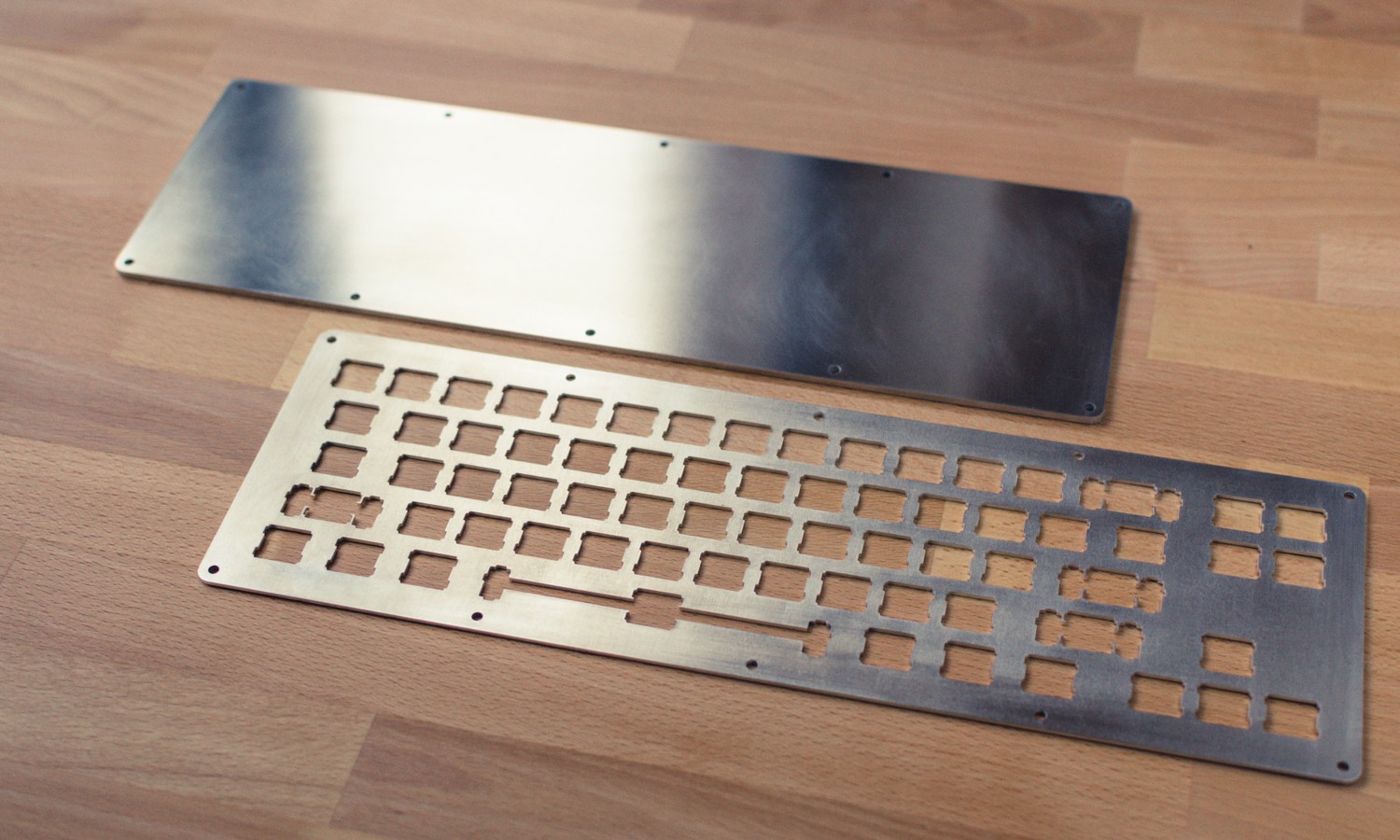
The production of aluminum has garnered significant attention due to its environmentally friendly characteristics, particularly when compared to other materials such as plastics. Aluminum, a versatile metal, is often used for keyboard cases due to its durability and aesthetic appeal. However, its environmental benefits extend beyond these attributes, making it a captivating choice for consumers interested in eco-friendly products.
One of the most notable advantages of aluminum is its recyclability. Aluminum can be recycled indefinitely without losing any of its properties, making it a superior option in terms of sustainability. In fact, recycling aluminum uses about 95% less energy compared to primary aluminum production. This energy conservation not only leads to lower greenhouse gas emissions but also means that less raw material is extracted from the earth. When a consumer chooses a keyboard with an aluminum case, they are supporting a product that contributes positively to waste reduction by promoting a circular economy.
Additionally, the increase in consumer awareness surrounding environmental issues has led to a growing preference for eco-friendly products like aluminum keyboards. More manufacturers are recognizing the importance of sustainability and are taking steps to produce goods that align with eco-conscious consumer values. This trend not only helps in reducing the reliance on single-use plastics, which are notorious for their detrimental environmental impact, but it also fosters innovation in production methods and materials.
In summary, the incorporation of aluminum in keyboard cases represents a significant step towards embracing eco-friendly practices. The material’s recyclability and energy-efficient production process underscore its potential to minimize environmental harm, thus catering to a market increasingly attuned to sustainability.
The Costs of Aluminum Keyboards
Aluminum keyboards have gained considerable popularity among users who seek durability and aesthetic appeal. However, the financial implications of selecting keyboards with aluminum cases are multifaceted, encompassing manufacturing costs, pricing strategies, and market demand, all of which play significant roles in determining the final retail price.
Manufacturing aluminum keyboards typically necessitates higher initial expenditures compared to those made with plastic or other materials. The process of sourcing quality aluminum, as well as the associated costs of machining and finishing, adds to production expenses. Manufacturers often utilize advanced techniques, such as anodization, to enhance the aesthetic and functional qualities of aluminum. This technique, while providing a durable and attractive finish, also incurs additional costs that are reflected in the final product price.
In terms of pricing strategies, producers of aluminum keyboards may adopt different approaches to appeal to varied consumer segments. Premium brands might position their products as high-end offerings, emphasizing quality and features that justify a higher price point. Conversely, more budget-friendly options may focus on providing essential features while still leveraging the advantages of aluminum construction. This strategic differentiation can influence market positioning and pricing dynamics within the segment.
Furthermore, market demand plays an undeniable role in shaping the retail prices of aluminum keyboards. As consumers increasingly recognize the advantages of aluminum in terms of longevity and design, the demand for these products rises, which can lead to fluctuating pricing based on perceived value. It’s essential for consumers to consider these elements when purchasing, as the investment in an aluminum keyboard should align with personal usage needs and performance expectations. Overall, while the initial cost may be higher, the long-term benefits of durability and enhanced functionality may offer a worthwhile return on investment.
Comparisons with Other Materials
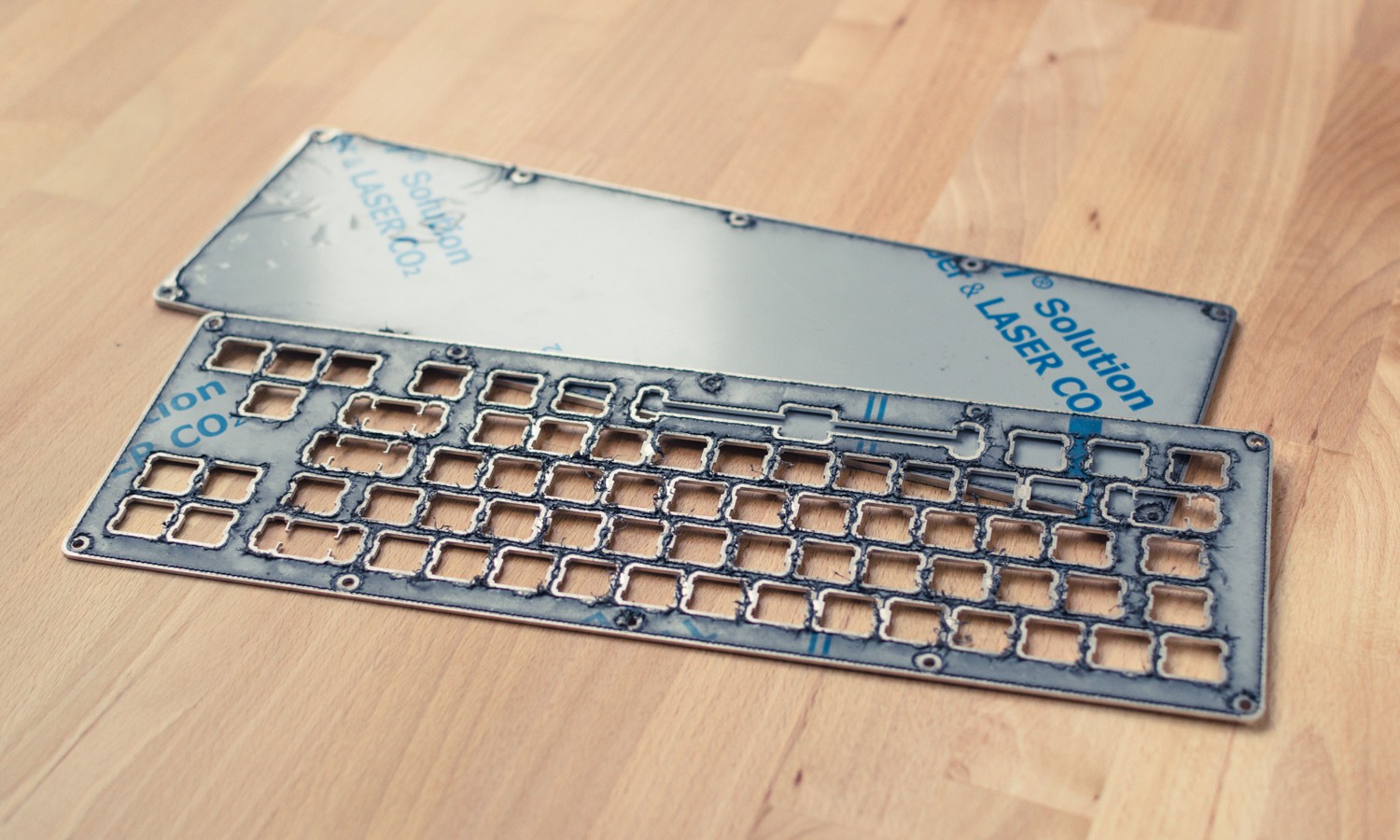
When examining the choice of materials used in keyboard cases, it is essential to understand the attributes and limitations of various options, notably aluminum, plastic, and wood. Each material offers distinct advantages and disadvantages, which significantly influence the user experience and overall product durability.
Aluminum cases are frequently lauded for their robustness and premium feel. Their structural integrity provides a durability that outmatches many plastic alternatives. Aluminum can withstand considerable wear and tear, resist bending, and mitigate flexing, resulting in a stable typing experience. Additionally, aluminum’s resistance to heat makes it less prone to warping compared to plastic, which can become deformed under high temperatures.
In contrast, plastic keyboard cases are generally lighter and less expensive to manufacture, making them a common choice for entry-level models. While they can easily be produced in a variety of colors and textures, plastic lacks the same level of durability as aluminum. Over time, plastic can become brittle or lose its structural integrity, especially with frequent use. Furthermore, the sound produced by key presses on plastic keyboards may be less satisfying to users seeking a more refined auditory feedback.
Wood cases, on the other hand, offer an aesthetic appeal that resonates with many users due to their natural look and feel. However, wood is often heavier than aluminum and may be prone to changes in humidity, leading to potential warping or cracking over time. This can be a concern for keyboards that undergo significant usage or are exposed to diverse environmental conditions.
Given these comparisons, manufacturers often select aluminum for its optimal blend of durability, heat resistance, and premium aesthetics. Thus, understanding these material characteristics can pave the way for informed purchasing decisions when selecting a keyboard that meets specific needs.
Future Trends in Keyboard Design
As technology continues to advance, the future of keyboard design is evolving in exciting and innovative ways. One of the key materials gaining attention in this evolution is aluminum. Known for its strength, lightweight nature, and aesthetic appeal, aluminum is likely to feature prominently in upcoming keyboard developments.
The integration of aluminum cases in keyboards is increasingly recognized for not only enhancing durability but also improving the overall typing experience. Future designs may leverage aluminum’s unique properties to create thinner, more compact keyboards that do not sacrifice performance. With the rise of wireless and portable devices, compactness without compromising functionality is a crucial factor in modern keyboard design.
Additionally, advancements in technology could lead to the incorporation of smart features in aluminum keyboards. This may include customizable backlighting that adjusts based on ambient light, enhanced haptic feedback that provides a tactile sensation for better typing accuracy, and even AI-driven functionality that learns user preferences over time. Such innovations could transform the keyboard into a more interactive and adaptive tool, catering to specific user needs.
Sustainability will also play a vital role in the future of keyboard design. As consumers increasingly prioritize eco-friendly products, manufacturers may explore recycled aluminum or sustainable sourcing methods for their keyboard cases. This shift could help reduce the environmental impact of electronic waste while maintaining the premium feel and durability that aluminum offers.
In conclusion, the future of keyboard design, especially those utilizing aluminum cases, is poised for significant transformation. With a focus on smart technology, enhanced functionality, and sustainable practices, keyboards are likely to evolve into versatile devices that effectively bridge the gap between traditional typing methods and modern technological demands.